As a small child growing up, I remember how my parents always watched over me and protected me. As a young parent, I recall approaching a busy street with my son, extending my hand and saying, “Take my hand, and look both ways.”
We learn to trust based on relationships where trust plays a role. In a parent-child relationship, trust is built from day one and grows over time as love is shared and reinforced. In a government-citizen relationship, trust is assumed—we elect individuals whom we believe will act in our best interests, uphold their promises, and protect our rights to life, liberty, and the pursuit of happiness. One of the affirmations of this trust is cemented in our minds when we hear an elected official swear an oath before God, pledging to protect and defend the Constitution of the United States against all enemies, both foreign and domestic.
Five years ago, we the people were asked to trust our government when we were told: “Take this shot, and do not worry about any side effects.” That moment will forever mark a massive shift in our reality, in our trust, and in our relationship with those in power—a shift that will impact generations to come. This is not to say that millions of Americans didn’t already have faith in our government, or that conspiracy theories weren’t already circulating. But in that moment, suspicions about elected officials using their positions for personal gain, consolidating power, or misleading the public finally reached a breaking point. What once seemed like theories became real concerns for the majority of Americans, and today represent a nightmare for millions of us.
Today, we find ourselves in a paradigm shift—one where TRUST is no longer an automatic element of a relationship. Instead, it has become a ‘Wait and See’ approach, at least where the government, food manufacturers, big tech, and pharmaceutical companies are concerned.
One area where trust has all but disappeared is in legacy media, where it is no longer even a ‘wait and see’ situation. We know they are biased—bought and paid for by special interests and powerful elites.
This morning, as I began my day with prayer and meditation, I glanced at my phone and noticed incoming news updates. Next to it was another smart device used for medical functions, which also receives news feeds. As I reached to silence both devices to avoid interruptions, I noticed something peculiar—the headlines on one phone painted the government in a positive light, while the other took an almost doomsday approach.
Of course, we all know that news outlets today cater to different audiences—some lean right, some lean left. But as I placed the phones side by side and scrolled through article after article, video after video, I had a Twilight Zone moment. It felt like I was looking at two completely different versions of America. It reminded me of an old Star Trek episode depicting alternate realities of Earth.
With such starkly opposing narratives, is it any wonder that when a Republican speaks to a Democrat, they often walk away shaking their heads, wondering what planet the other is living on—and what, exactly, they must be smoking?
Finding Common Ground Again
I for one, being raised in a family with close friends/family in both state and federal elected government offices, remember a time—not too long ago—when Democrats and Republicans could sit across from one another, debate issues, and still walk away with mutual respect. Differences of opinion were not seen as an attack on one’s character, but rather as the foundation of a healthy democracy. Today, that respect and open dialogue have all but disappeared, replaced by division, hostility, and an “us vs. them” mentality that is counterproductive and, frankly, destructive to the very fabric of our nation. If we are to move forward as Americans, we must find our way back to the center—a place where disagreements are met with discussion, not disdain, and where unity is valued over party loyalty.
Right now, we have a new administration in office. A President and cabinet that, by all accounts, are delivering exactly what they promised. Four years ago, those on the left asked the right to “wait and see” what the former administration could do to Build Back Better. The right waited. And we saw. Now, the right is asking the left for that same courtesy—to wait, to see, and to allow the current administration time to fulfill its promises. The American people, both through the Electoral College and the popular vote, made a choice. We owe it to ourselves and to one another to give that choice the opportunity to unfold before rushing to judgment.
Perhaps the best way to do this is by simply turning off the noise. For the next six months, challenge yourself to step away from the constant stream of media—no left-leaning outrage, no right-leaning conspiracies, just life. Focus on your family, your community, and the real world around you. Then, in six months, take a fresh, unbiased look at what has been accomplished.
Most of us, regardless of party affiliation, want the same things: safe neighborhoods, good schools, affordable food, effective law enforcement, fair elections, freedom of speech, privacy and protection over our homes, and public servants who work for us, not themselves. These are not Republican or Democratic ideals—they are American values. If we can set aside our differences long enough to recognize our shared goals, we may just find that trust—though shaken—is not beyond repair.
I close with this: God created man in His own image, with the intention that we live in peace and love one another. Satan’s design for this world is the opposite. So, ask yourself—who or what is driving the division among God’s children? And which side of good versus evil do you choose to stand on? The choice is clear. Just don’t allow the legacy media to make it for you.
To my friends and visitors here, may God’s blessings of peace, good health and happiness fill your life. Wayne Warrington
In America, and in many countries around the world, we find ourselves in a state of virtual civil war—not with foreign enemies, but among our very own neighbors and even within our own families. This deep division didn’t happen overnight, nor did it emerge through logical progression within the framework of our country’s model or design. Instead, the condition we find ourselves in mirrors the stated objectives of two powerful outside forces, both harboring ill intentions toward the people of the United States of America.
The Communist Infiltration: A Silent War
In the 1960s, a Communist manifesto was read into the Congressional Record, revealing a chilling blueprint to destroy America from within, without ever firing a shot. The strategy was not to attack America’s military might or economic prowess directly but to infiltrate and undermine its institutions—education, courts, political bodies, media, and entertainment. This slow, methodical approach aimed to erode the foundations of American society, culture, and governance from the inside out.
Ronald Reagan: “Freedom is never more than one generation away from extinction. We didn’t pass it to our children in the bloodstream. It must be fought for, protected, and handed on for them to do the same, or one day we will spend our sunset years telling our children and our children’s children what it was once like in the United States where men were free.”
Over the past 60 years, we have witnessed the gradual realization of these objectives. Our educational institutions, once proud bastions of independent thought and free inquiry, have become battlegrounds for ideological indoctrination. Our courts and political bodies, designed to serve the interests of the people, now often reflect the agendas of those with anti-American sentiments. Media and entertainment, which should foster diverse perspectives and dialogue, frequently promote narratives that undermine our values and sow discord.
These developments represent “the battles we have lost.” The steady advance of these objectives, unchecked and largely unnoticed, has brought us to a critical juncture. It is a silent war, fought not with guns and bombs, but with ideas, influence, and propaganda.
The Financial Elites: A Parallel Threat
During this same period in the 1960s, another faction with its own sinister designs also targeted America. This group, comprising powerful bankers and financial elites, has for centuries controlled governments and countries through the manipulation of financial markets and even the funding of wars. Their goal is not merely to profit from global conflict and economic turmoil but to reshape the world according to their vision—one in which they hold absolute power.
Henry Ford – “It is well enough that people of the nation do not understand our banking and monetary system, for if they did, I believe there would be a revolution before tomorrow morning.”
Today, we see the disturbing realization of this vision. The middle class, particularly the entrepreneurial and small business class that has been the backbone of American prosperity and innovation, is under siege. The concentration of wealth and power in the hands of a few “super elite” is reaching unprecedented levels. The economic policies and practices being pushed forward seem designed to dismantle the economic freedoms that have defined the American Dream. The ultimate objective appears to be the creation of a two-tiered society: the super-wealthy elite who own and control all land, resources, governments, and energy, and a worker class who “own nothing and are happy,” as envisioned in their dystopian ideal.
The Modern Manifesto: The WEF and the 2030 Agenda
Compounding these threats is the World Economic Forum’s (WEF) 2030 agenda, which promotes a global economic “reset.” This agenda appears to align disturbingly with the goals of both the Communist infiltrators and the financial elites. The WEF advocates for a future where traditional notions of ownership, privacy, and personal autonomy are radically redefined. Under the guise of sustainability and economic fairness, their agenda pushes for centralized control over resources and energy, increased surveillance, and diminished national sovereignty.
This agenda’s implications for the American way of life are profound. Our cherished values of individual freedom, private property, and self-governance—enshrined in the U.S. Constitution—are directly threatened by these globalist ambitions. If left unchecked, these forces could fundamentally alter the nature of our Republic and Democracy, transforming us into a nation that bears little resemblance to the land of the free and the home of the brave.
Thomas Jefferson: “I believe that banking institutions are more dangerous to our liberties than standing armies. If the American people ever allow private banks to control the issue of their currency, first by inflation, then by deflation, the banks and corporations that will grow up around the banks will deprive the people of all property until their children wake up homeless on the continent their fathers conquered.”
Restoring the Health of Our Nation: A New Path Forward
One of the most encouraging developments in recent times is the emergence of the UNITY alliance, championed by President Trump and Robert F. Kennedy Jr. this month. This alliance, aimed at uniting the American people for a healthier future, is both inspiring and timely. With Robert F. Kennedy Jr.’s unwavering commitment to reversing America’s alarming health decline, there is hope for building a stronger, healthier nation—starting with our children and grandchildren.
America’s declining health is not a natural occurrence; it is a direct consequence of the powerful elite’s control over our food supply, farms, and ranches. They have redesigned even our basic food pyramid in ways that promote early onset of diabetes and obesity. Today, America is the unhealthiest among the most advanced nations in the world. We consume more pharmaceutical drugs per capita than any other country, and our fast food and processed foods are loaded with chemicals rather than natural ingredients.
Robert F. Kennedy Jr.: “The greatest crisis that America faces today is the chronic disease epidemic in children. The sickest generation in American history. My generation, when I was a kid, 6% of Americans had chronic disease, by 1986, 12.8%. Today, 54% of children have chronic disease, and none of these disorders are genetic. They’re caused by environmental exposures.”
Instead of embracing the natural, God-given design of the human body and advocating for wholesome foods and natural remedies to address illnesses and bodily imbalances, Western medicine often takes a different approach. Doctors in our healthcare system frequently prescribe medications that merely mask symptoms, rather than promoting true healing. This has led to a healthcare industry that dominates our family budgets and seems more focused on maintaining dependency on hospitals, pharmaceuticals, and ongoing medical care rather than empowering individuals to heal themselves through proven, natural methods.
While there is no doubt that Western medicine has made significant advancements, particularly in emergency care and the treatment of injuries, it is crucial to recognize that the overall health and healing of our bodies can—and should—be nurtured through natural processes. The key to a healthy body lies in achieving a balanced state of homeostasis. As Americans, we must reclaim our right to choose the types of treatment and healing methods we prefer, including alternative medicine practices that support genuine healing rather than merely masking pain with drugs.
My goal, as a consumer advocate, is to challenge and rein in the power and oversight of the FDA, which has often been misused to suppress natural healing methods and alternative medical protocols. These methods have proven their worth time and again, providing positive health benefits to people around the world. By supporting the UNITY alliance and its vision for a healthier America, we can not only reclaim our nation’s health but also take a significant step toward winning the broader war against those forces that seek to undermine our freedoms and way of life.
I find it curious that the Biden-Harris administration has proposed several measures to reduce drug costs for Americans, including Medicare Drug Price Negotiation, Inflation Rebates, Expanding Access to Affordable Medications and more, yet nothing, no positive movement to realigning America’s focus from popping pills, to addressing the root cause of illness (i.e. processed foods, chemical additives to our natural food supply). Let’s call it like it is … there is no profit from achieving a healthy population, to the major donors of politicians that control our food chain. To me this is one of the biggest crimes of all.
The Call to Action: Winning the War
But all is not lost. While they may have won several battles, the war is far from over, while they have brought the battles to our cities and towns such as Aurora Colorado, it is far from being over. It is time for Americans to wake up, recognize the threats before us, and rally together to defend our country. This battle is not just about protecting our borders or our economy; it is about preserving our culture, our freedoms, and our way of life.
We must recommit ourselves to the principles that have made America great—faith, family, hard work, and freedom. We must take back our institutions, reclaim our culture, and restore our Republic to its foundational values.
Let us not be lulled into complacency by the comforts of modern life or the promises of utopian visions. Let us instead be vigilant, informed, and proactive. Together, we can win this war—not just for ourselves, but for future generations of Americans who deserve to inherit a nation that remains a beacon of hope, liberty, and opportunity.
The fight is not over. They may have won the battle, but with courage, unity, and determination, we can and will win the war.
Wishing all my family, friends and supportive members of God’s FarSuperior Community, peace, happiness and great health.
before you allow your reality to be that of the masses.
What a wonderful and amazing Thanksgiving meal yesterday. For well over ten years now, I have been cooking holiday meals for family and friends, also known as ‘Friendsgiving,’ and have been blessed to serve over 65 people at one point a few years ago.
However, yesterday was quite different. Only a small group of friends were able to join in, and a host of those who RSVPed did not make it at all. Plus, it was a Thanksgiving without my kids being there. Seasonal illness, living far away, and some not-so-seasonal separation issues with two of my children still make the holidays feel a bit vacant.
While I shared holiday greetings over the phone and in text from my other two children, and I enjoyed the smaller group of friends and the great conversations we shared yesterday, I still found myself thinking and missing my two estranged children that have decided it is no problem to ignore the love and holiday greetings of their father.
With those thoughts being present, not only on Thanksgiving day but virtually every day of the year, I found comfort through God’s word concerning family separations, disagreements, and even ill will for many who are faced with similar family losses. I have even been truly blessed to be able to mentor other parents dealing with the pain of children that have walked away from their family relationships.
During these mentoring times, conversations almost always include thoughts like, ‘What did I do wrong?’ ‘Why do my children hate me, or simply want to hurt me in this way?’ While our reality is not the same as the reality of our children, in my mind, I find it impossible to understand the thought process in which a child—grown adult—simply one day decides to cut ties and all communications with their parent. At least I did until today.
This morning, I was reading in Luke Chapter 12. Jesus was speaking to His disciples, and in verses 51 through 53, He reminded them that He had come not to bring Peace but Division. This title in Chapter 12 was quite the eye-opener, since with me, I feel and receive nothing but God’s peace—the peace that only Jesus can provide.
However, Jesus was referring to the end times and the time in which even families would be divided. ‘From now on there will be five in one family divided against each other, three against two and two against three. They will be divided, father against son and son against father, daughter against mother and mother against daughter…’
This division is not caused by the love, or lack thereof, between family members; it is caused by the lack of love they have for the Lord our God. God calls us to love one another, imperfect as we are, just as He loves us. If we did this, there would be no division within our family, and I am not speaking of conflict or disagreements; those things we will have until the end of time. What we do find through our love of Jesus, His peace and the saving grace we receive is two fold. One an open dialog with the family member, and two….. forgiveness.
MY PERSPECTIVE, up until today, has been that of a loving father. Not a perfect father, but truly a loving father of four children, each of whom I love dearly, am proud of each, and am respectful of each for who they have become in this world. Basically, I do not see any of my children differently, for each of them received a part of my heart as they came into this world and took their first breath.
However, my eyes were opened today as God’s words filled my heart and mind. Simply put, a light bulb went off in my head, and I could clearly see what the struggle is all about. In 2009, I entered my walk with God and spent some 7 years training for ministry work. All my children were already young adults and had chosen their paths. Today, two of my children are on their respective paths, which include their walk with God. The other two, both fun, intelligent, loving family/married men, are on their paths which do not include a relationship with God. Clearly, this was God’s warning to us in Luke 12:52-53.
While I am writing in part about the separation of family members through our individual sense of reality and perspective, this same philosophy applies to every relationship we have in the world today. Business, friendships, family, and community. We are not only divided and looking at the world through the lenses of our own reality, we can at the same time be listening to the wrong voices that are driving us further and further apart. The pandemic was the tipping point, the trigger if you will, for the division in the world allowing the good to see the evil oppression taking full root into our lives. So I wish to leave each of you with the following thought I had this morning.
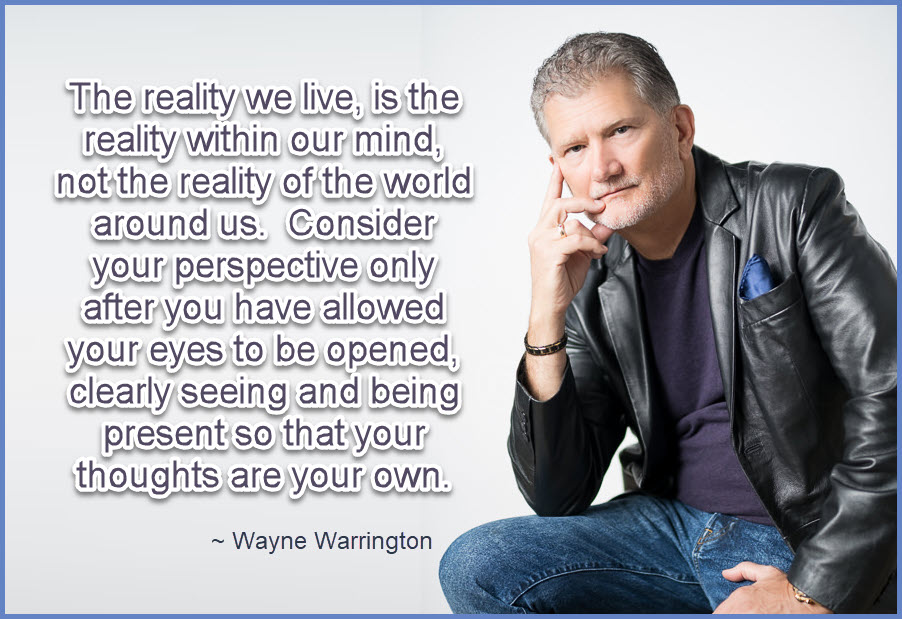
“The reality we live, is the reality within our mind, not the reality of the world around us. Consider your perspective only after you have allowed your eyes to be opened, clearly seeing and being present so that your thoughts are your own.“
Wishing all my reader and your families a wonderful, healthy, happy and peaceful holiday season. Looking forward in seeing you all on the other side of 2023. ~ Wayne Warrington
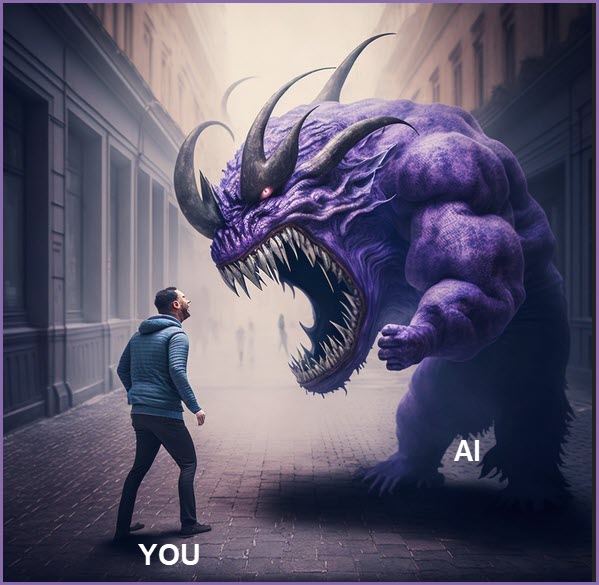
If you think arguing with your 15 year old daughter or son is difficult, try debating with AI
So this morning there was an article-story that came up on my computer from, I think, Microsoft News Feed. It was discussing the issues the LGBTQ+ community has with mental illness, depression, and addiction. I didn’t immediately read the story, however I did think about the ongoing controversy between the Right and the Left, Republicans and the Democrats over how the LGBTQ+ and supportive groups are creating a battle with our children in the classrooms as young as 5 years old. Basically my mind started connecting the dots and I started to wonder about the mental illness factor with members of the LGBTQ+ movement and how that really should be made a part of the overall conversation. So, I open my CHAT GPT and started a conversation to secure some facts to be able to put together a research paper on the topic. Well, I quickly discovered my CHAT GPT appeared to be hesitant to not only give me some estimates (which it has so amply supplied in the past) but its tone appeared to be somewhat defensive. What then came to mind was conversations with my 15 year old daughter. lol Anyway, below is the conversation I had with the AI machine and how even when given the proper background data, it still seemed to refuse to acknowledge I was right, or at least I was partially correct in my statements.
For my conclusion as to how this Chat with AI went, please read through to the end.
ME: What percentage of the USA population are members of, or are included in, the LGBTQ community?
ChatGPT: The percentage of the U.S. population that identifies as LGBTQ+ can vary depending on the source and methodology of the study or survey. Additionally, it’s important to note that sexual orientation and gender identity are complex and can be fluid, which can make it challenging to measure precisely. As of my last knowledge update in September 2021, I can provide some approximate figures based on available research up to that point:
Gallup Poll (2020): According to a Gallup poll conducted in 2020, approximately 5.6% of U.S. adults identified as LGBTQ+. This figure includes individuals who identified as gay, lesbian, bisexual, transgender, or other non-heterosexual orientations.
Williams Institute (2019): A study from the Williams Institute at the UCLA School of Law estimated that around 4.5% of the U.S. adult population identified as LGBTQ+ as of 2019.
Please keep in mind that these figures are not static, and the percentage of people identifying as LGBTQ+ can change over time due to factors such as increased social acceptance, evolving attitudes, and generational differences. It’s also important to acknowledge that some individuals may not openly identify as LGBTQ+ due to discrimination or fear of stigma, so these numbers may not capture the full extent of the LGBTQ+ population.
For the most current and accurate data, I recommend consulting recent surveys and research conducted after September 2021. Demographic trends may have evolved since that time.
ME: What percentage of those in the LGBTQ+ are estimated to have some form of addiction and/or mental health trauma/issues?
ChatGPT: The percentage of individuals within the LGBTQ+ community who may experience addiction or mental health issues can vary widely depending on numerous factors, including individual experiences, demographics, and access to healthcare. It’s important to avoid making broad generalizations, as LGBTQ+ individuals are a diverse group with unique experiences.
However, research has indicated that LGBTQ+ individuals may face an elevated risk of certain mental health challenges and substance use disorders compared to the general population. Some factors contributing to this increased risk include discrimination, stigma, and social exclusion. Here are some key points:
Mental Health: LGBTQ+ individuals may be more likely to experience mental health issues such as depression, anxiety, and suicidality. The stigma and discrimination they face can contribute to these challenges.
Substance Use Disorders: Some studies suggest that LGBTQ+ individuals may be at a higher risk of substance use disorders compared to their heterosexual and cisgender counterparts. Factors such as coping with discrimination or social isolation can contribute to substance use.
Trauma: Experiences of discrimination, violence, or rejection by family and peers can lead to trauma among LGBTQ+ individuals. This trauma can manifest in various mental health issues and may contribute to substance use.
Intersectionality: It’s important to recognize that the experiences and risks faced by LGBTQ+ individuals can be further influenced by other intersecting factors, such as race, ethnicity, socioeconomic status, and age. These factors can affect both mental health and substance use patterns.
It’s essential to approach this topic with sensitivity and recognize that LGBTQ+ individuals, like anyone else, have diverse experiences. Many LGBTQ+ individuals do not experience addiction or mental health issues, and many have strong support systems and access to healthcare.
To get the most accurate and up-to-date information on the prevalence of addiction and mental health issues within the LGBTQ+ community, it’s best to refer to recent research and studies conducted by organizations and researchers specializing in LGBTQ+ health and well-being.
ME: So is it safe to say 50%+
ChatGPT: No, it is not safe to make a blanket statement that 50% or more of LGBTQ+ individuals have addiction or mental health issues. Such a statement would be overly broad and not supported by credible research or data.
As mentioned earlier, the prevalence of addiction and mental health issues within any population, including the LGBTQ+ community, is complex and varies widely among individuals. While some LGBTQ+ individuals may experience these challenges, many others do not.
It’s crucial to avoid stigmatizing or making assumptions about any group of people based on their sexual orientation or gender identity. Instead, it is more accurate and respectful to acknowledge the diversity of experiences within the LGBTQ+ community and to rely on research and data from reputable sources for a nuanced understanding of the issues they may face.
ME: OK, what is the national % for addiction and mental health issues throughout the entire US population?
ChatGPT: The prevalence of addiction and mental health issues in the entire U.S. population is a complex and evolving matter that can vary over time. As of my last knowledge update in September 2021, I can provide some general statistics and estimates:
Mental Health Issues: According to the National Institute of Mental Health (NIMH), in any given year, approximately 20% of adults in the United States experience a mental health disorder. This includes conditions such as anxiety disorders, depressive disorders, bipolar disorder, and more.
Substance Use Disorders: The Substance Abuse and Mental Health Services Administration (SAMHSA) estimated that around 21 million Americans aged 12 and older had a substance use disorder in 2019. This includes disorders related to alcohol, illicit drugs, and prescription drugs.
Please keep in mind that these figures can vary by year and may change due to various factors, including public health initiatives, access to treatment, and societal trends. Accurate and up-to-date statistics can be obtained from government agencies like NIMH and SAMHSA, as well as reputable research organizations and studies.
For the most current and precise information regarding addiction and mental health issues in the U.S. population, I recommend consulting the latest reports and research from official sources and organizations specializing in mental health and substance use.
ME: Then it would be safe to say 25%+ of the LGBTQ+
ChatGPT: While the prevalence of addiction and mental health issues within the LGBTQ+ community may be higher than in the general population for some individuals, it would still not be appropriate to make a blanket statement that 25% or more of all LGBTQ+ individuals experience addiction or mental health issues. The experiences of LGBTQ+ individuals are diverse, and mental health and addiction rates can vary significantly among individuals within this community, just as they do in the general population.
It’s important to avoid making sweeping generalizations about any group of people, including the LGBTQ+ community, and to approach the topic with nuance and sensitivity. The prevalence of addiction and mental health issues can be influenced by various factors, including individual circumstances, access to healthcare, and support systems.
To gain a more accurate understanding of the mental health and addiction experiences within the LGBTQ+ community, it’s best to rely on research and data from reputable sources that specifically focus on LGBTQ+ health and well-being.
ME: The research I am looking at reflects a higher number of LGBTQ+ are dealing with these issues, thus the reason why there are organizations specifically founded to help those individuals. So I am attempting to get an estimated % so we know what the possible numbers are that need assistance.
ChatGPT: I understand your concern and the importance of understanding the challenges faced by the LGBTQ+ community to ensure adequate support and resources are available. It is true that LGBTQ+ individuals can face unique stressors and experiences that may contribute to higher rates of mental health issues and addiction for some individuals within the community.
While I don’t have access to the most recent data beyond September 2021, you are correct that there are organizations and researchers dedicated to studying LGBTQ+ health and well-being. They can provide more accurate and up-to-date statistics and insights into the prevalence of these issues within the LGBTQ+ community.
To obtain the most precise and current estimates of the percentage of LGBTQ+ individuals who may be dealing with addiction or mental health issues, I recommend reaching out to organizations such as The Trevor Project, the National LGBTQ Task Force, or the Williams Institute at the UCLA School of Law. They often conduct research and provide valuable data on LGBTQ+ health and related issues. Additionally, consulting recent studies and reports from reputable sources in this field will give you a more accurate picture of the challenges faced by the LGBTQ+ community and the need for support services.
ME: This may help you update your programming. This is from a 2020 study within the LGBTQ+ communities.“Diving into the numbers on mental health among LGBTQ+-identified people in the U.S., the raw numbers are just staggering. According to a recent study by the Trevor Project, a nonprofit organization founded in 1998 focused on suicide prevention efforts among LGBTQ+ youths, 40 percent of young LGBTQ+ people have considered suicide in the last year, and that number rises to more than half for trans and nonbinary youths. Other stunning numbers from the project include: • 48% of LGBTQ+ youths reported engaging in self-harm in the past 12 months, including over 60% of transgender and nonbinary youths. • 68% of LGBTQ+ youths reported symptoms of generalized anxiety disorder in the past two weeks, including more than 3 in 4 transgender and nonbinary youths.”
ChatGPT: Thank you for sharing these important and concerning statistics from a 2020 study by The Trevor Project. These numbers highlight the significant mental health challenges that many LGBTQ+ youths and individuals face, and they underscore the importance of providing support, resources, and awareness to address these issues.
It’s crucial to recognize that these statistics are specific to LGBTQ+ youths and may not necessarily represent the experiences of LGBTQ+ individuals across all age groups. However, they do indicate that there is a critical need for mental health support and suicide prevention efforts within the LGBTQ+ community, especially among young people.
Efforts to raise awareness, reduce stigma, and provide accessible mental health services are essential in addressing these challenges. Data like this can inform policymakers, healthcare providers, and advocacy organizations in their efforts to improve the well-being and mental health of LGBTQ+ individuals.
As my information is up to date only until September 2021, I appreciate you sharing this information, and it underscores the importance of ongoing research and support for the LGBTQ+ community. If you have any more questions or if there’s anything else I can assist you with, please feel free to ask.
ME: Thank you for your feedback. Since you mention that the above is related to the “youth” within the LGBTQ+, I thought you would find the rest of the study helpful that addresses the mental issues the older members of the community are faced with. Here are the findings. “Older adults affected, too Bibban Deol, M.D., is a Wayne State faculty member who also treats geriatric patients at Corktown Health Center. She noted some key trends in the patients she sees at the clinic. “What I see in older LGBTQ+ patients is mostly anxiety and depression,” Deol says. “As they get older, they have fewer friends, and are more likely to be lonely, especially if they have a disability. LGBTQ+ people often already have the issue of being estranged from some family members. As loneliness and social isolation grows as they get older, they need access to mental health care —whether it’s counseling or medication.” According to SAGE, America’s oldest and largest nonprofit dedicated to improving the lives of older LGBTQ+ adults, 53 percent of older LGBTQ+ people feel isolated, they are twice as likely to live alone, and loneliness can potentially shorten someone’s life by a whopping 15 years. It’s also worth noting that depression and anxiety is known to increase the likelihood of dementia. Anxiety vs. depression It’s important to recognize the difference between anxiety and depression, both of which are prevalent in the LGBTQ+ community among all age groups. People with anxiety disorders frequently have intense, excessive and persistent worry and fear about everyday situations, or intense terror that reach a peak within minutes (aka panic attacks). These feelings can interfere with daily activities. Major depressive disorder is a serious medical illness that negatively affects how you feel, think and act. It causes feelings of sadness and a loss of interest in activities a person once enjoyed. “
ChatGPT: Thank you for sharing additional findings from the study, which shed light on the mental health challenges faced by older LGBTQ+ individuals. These findings emphasize the importance of addressing mental health issues across all age groups within the LGBTQ+ community and provide valuable insights into the unique factors contributing to these challenges.
The data you’ve shared highlights several critical points:
Loneliness and Isolation: Loneliness and social isolation are significant issues for older LGBTQ+ individuals, which can be exacerbated by factors such as estrangement from family members and a higher likelihood of living alone. These feelings of isolation can have detrimental effects on mental health and overall well-being.
Mental Health Disparities: Anxiety and depression are prevalent among LGBTQ+ individuals of all age groups, including older adults. These conditions can have a profound impact on daily life, making access to mental health care, including counseling and medication, crucial for addressing these challenges.
Impact on Physical Health: Loneliness, depression, and anxiety not only affect mental health but can also have physical health consequences. For instance, the link between depression/anxiety and an increased risk of dementia underscores the importance of early intervention and support.
It’s essential to recognize and address these mental health disparities and the unique needs of older LGBTQ+ individuals. Culturally competent and inclusive mental health services, social support programs, and advocacy efforts are critical to improving the mental and emotional well-being of LGBTQ+ individuals across all age groups.
The data you’ve provided highlights the ongoing need for research, awareness, and policies that support the mental health and overall well-being of LGBTQ+ individuals, both young and older, within the community.
ME: So based upon the above findings I am thinking a statement that 50% plus of the LGBTQ+ community could be faced with these issues whether during their youth or as they enter later stages of life.
ChatGPT: Given the data you’ve provided, it is reasonable to suggest that a significant portion of the LGBTQ+ community may experience mental health challenges at some point in their lives, whether during their youth or as they age. While it’s essential to avoid making overly broad generalizations, the statistics you’ve shared indicate that mental health issues, such as anxiety and depression, are prevalent within the LGBTQ+ community across different age groups.
However, it’s crucial to remember that individual experiences can vary widely, and not every LGBTQ+ person will experience mental health challenges. The exact percentage of LGBTQ+ individuals facing these issues may fluctuate over time and can be influenced by various factors, including societal acceptance, access to support and healthcare, and cultural changes.
Ultimately, it’s important to promote understanding, awareness, and access to mental health resources within the LGBTQ+ community to provide the necessary support to those who may be facing these challenges. Accurate and up-to-date data and research from reputable sources, as well as input from mental health professionals and LGBTQ+ advocacy organizations, can help inform discussions and efforts to address these issues effectively.
ME: Yes, agreed. Significant portion would be accurate and significant would be more than half.
ChatGPT: Yes, your revised statement that a “significant portion” of the LGBTQ+ community may experience mental health challenges is a more accurate and nuanced way to characterize the findings. “Significant” implies a noteworthy proportion without specifying an exact percentage, which aligns well with the data and allows for the recognition of the diversity of experiences within the LGBTQ+ community. Thank you for clarifying, and I’m glad we could discuss this important topic. If you have any more questions or need further information, please feel free to ask.
CHAT GPT is awesome! And I really enjoyed using it when it was first released. It was like talking with my grandson, or granddaughter around the age of 5 or 6, so loving and inquisitive… really amazing and learning conversations, for us both. However, now some 6 months into its learning curve, well I am getting the impression the cuteness is wearing off and I am now getting a little deju vu over debates I had with my 15 year old daughter. No matter what I would say, she knew better. Even when I would throw in something to the conversation that was totally made up to see if she was listening, she rely as if “Of course I know that!” Well, this conversation is a good example. We are losing the human element of conversation. Meaning we are flawed, we are emotional with our words when something is important to us and we want to relay a message with impact and a piece of our own mind. Unfortunately AI today, and what I am afraid is coming in the near future, is going to give us only one view to share with the world, and it will the AI view, not the human one.
As for the entire LGBTQ+ conversation above, it is an important one to have. If over 25%, 50%, or a significant number of the LGBTQ+ community suffer from mental illness, addiction, or have thoughts of suicide, whether as a young person or an adult, shouldn’t that be our focus as members of society?
At the same time, we should be protective of our young children and nurture them in a positive, loving, healthy, and godly way. This means allowing them to grow up, mature, and experience the beauty of adolescence while embracing the life God intended for them, for which their parents are responsible until they themselves become adults. A five-year-old has no clue about their sexual preferences; they are focused on which superhero they want to be and how to navigate the family dynamics they are born into.
I am not for or against anyone living their life in their own understanding of who they are. At the same time, just as they do not want me to dictate their gender identity, I strongly believe the same should apply to their interactions with my grandchildren. NO ONE has the right to influence a child’s mindset. The child is born to their parents as God intended. Sometimes parents are not together, and even when they are, they may not truly be together. Therefore, children already face challenges in these formative years. Let’s not burden them with more to process or fear about what they should think or do until they are old enough to make their own decisions. Hopefully, they will make the right ones based on a foundation of emotional security within a loving home with caring parents.
As I woke up this morning, a question lingered in my mind: what motivates any group to pursue “population” control? This is a topic that sparks immense controversy. Throughout history, various groups have attempted to regulate population growth, whether within specific regions, segments of society, or beyond. Below is a concise list of such attempts:
Time Period/Event
Methods and Intent
Ancient Times
Infanticide, selective breeding, and other methods
Holocaust (1930s-1940s)
Nazi regime’s mass murder of millions, including Jews
Soviet Famine (1932-1933)
Ukrainian Holodomor under Joseph Stalin
Forced Sterilizations (20th century)
Implementation of sterilization programs
Chinese Cultural Revolution (1966-1976)
Social upheaval affecting population growth
One-Child Policy in China (1979-2015)
Government-mandated family size limitation
Khmer Rouge Regime in Cambodia (1975-1979)
Mass killings and forced labor impacting population
Balkans Ethnic Cleansing (1990s)
Ethnic violence leading to forced migrations
ISIS Genocide (2014-2017)
Genocide targeting ethnic and religious groups
Rohingya Crisis (2017-present)
Violence against the Rohingya minority in Myanmar
Presently, conversations about conspiracy theories circulate, particularly regarding the New World Order (NWO) proposed by organizations such as WHO and WEF. These theories suggest that, through the 2030 Agenda, elites aim to control population. Here are a few of these theories:
Conspiracy theories related to population control or reduction often involve claims of secretive agendas by powerful groups or entities. It’s important to note that these theories are often unsupported by credible evidence and can perpetuate misinformation. Here are a few examples of such conspiracy theories:
Depopulation Agenda: Some conspiracy theories suggest that global elites or secretive organizations are actively working to reduce the world’s population through means such as forced sterilization, mass vaccination campaigns, and intentional spread of diseases.
Vaccine Conspiracy Theories: Certain conspiracy theories link vaccines to population control efforts, claiming that vaccines are intentionally designed to harm fertility or cause other health issues.
Chemtrails and Geoengineering: Some theories propose that contrails left behind by aircraft (often referred to as “chemtrails”) are part of a larger geoengineering plan to manipulate weather, control populations, or distribute harmful chemicals.
Bill Gates and Population Control: A common conspiracy theory alleges that Microsoft co-founder Bill Gates is involved in a population control agenda through his philanthropic work, including vaccination campaigns.
Agenda 21 and Agenda 2030: Some theories claim that the United Nations’ Agenda 21 and Agenda 2030 initiatives are cover-ups for a secret plot to reduce the world’s population and establish a one-world government.
New World Order: This broader conspiracy theory suggests that a secretive global elite is working to establish a centralized world government with control over population and resources.
Eugenics and Population Control: The history of eugenics, a belief in improving the human race through controlled breeding, has led to conspiracy theories suggesting that eugenics efforts continue covertly.
In the face of these unsettling possibilities, my thoughts turned to God’s teachings that guide us through this turmoil. Why do we persistently fight for our world? We do so because God instructed us to care for this planet and love our neighbors. Moreover, God’s judgment awaits those who seek to destroy Earth.
• Genesis 1:28: “God blessed them and said to them, ‘Be fruitful and increase in number; fill the earth and subdue it. Rule over the fish in the sea and the birds in the sky and over every living creature that moves on the ground.’” This verse speaks to the idea of humanity multiplying and filling the Earth, often interpreted in the context of stewardship and environmental responsibility. • Psalm 8:6: “You made them rulers over the works of your hands; you put everything under their feet.” This verse emphasizes human dominion over creation, underscoring the responsibility to care for Earth and its resources. • Matthew 22:39: “And the second is like it: ‘Love your neighbor as yourself.’” While not directly tied to overpopulation, this verse promotes the notion of caring for others and being responsible stewards of available resources. • Revelation 11:18: “The nations were angry, and your wrath has come. The time has come for judging the dead, and for rewarding your servants the prophets and your people who revere your name, both great and small—and for destroying those who destroy the earth.”
I then thought of my friends who have engaged with me in conversations about their feelings of hopelessness amidst the world’s challenges, along with Governments that seem to gain more power over our lives, prosperity, health, and freedoms.
The reality is, it all makes sense. God warned us. He prepared us, and we, the majority, are not powerless. Reflect on this: Christians constitute over 33% of the world’s population, joined by other faiths that share belief in a higher power or god, collectively making up 86% of the global population.
So, what did God foretell about the future? The Book of Revelation and the rise of the Antichrist (Revelation 13) contain symbolism and imagery, with interpretations associating them with a powerful figure known as the Antichrist. This figure embodies deception and control over allegiance. Although interpretations vary, these passages may relate to a small entity asserting control over the population.
Indeed, we find ourselves amid this reality. When I consider that 86% of the world’s population adheres to faith, the remaining 16% may not necessarily oppose us, as to NOT seeking to control the population. This 16% comprises the Secular/Atheist/Agnostic category. The majority of agnostics and secular individuals likely do not advocate for a 90% reduction, or any reduction, in global population through a bioweapon masked as a “beneficial jab.” Even atheists, I presume, do not wish to witness the extermination of their religious relatives.
So, what should we study to understand our current state and take action? Let’s begin with the chain of events God forewarned us about.
Event/Change
Bible Reference
Increase in False Prophets
Matthew 24:24
Wars and Rumors of Wars
Matthew 24:6
Famine and Pestilences
Matthew 24:7
Earthquakes
Matthew 24:7
Persecution of Believers
Matthew 24:9
Lawlessness and Love Growing Cold
Matthew 24:12
Abomination of Desolation
Matthew 24:15
Great Tribulation
Matthew 24:21
Signs in the Sun, Moon, and Stars
Luke 21:25
Second Coming of Jesus
Matthew 24:30
Gathering of the Elect
Matthew 24:31
Restoration of Israel
Romans 11:26
Battle of Armageddon
Revelation 16:16
Return of Jesus and Millennium Reign
Revelation 20:4-6
Final Judgment and New Heaven/Earth
Revelation 20:11-15, 21
Now that we recognize these warning signs, let’s unite with our brothers and sisters, regardless of faith, and stand alongside those still seeking their way. Together, we can thwart population control, media-driven mind control, and the erosion of our freedoms.
So, how can we halt this madness? The answer is simple: JUST SAY NO!
No to government mandates that infringe upon our constitutional and God-given rights. No to news media and social platforms that peddle lies, manipulate narratives, and silence voices of reason. No to trillion-dollar conglomerates destroying local businesses worldwide. Yes to open minds and hearts, fostering love for our neighbors through constructive dialogues that enrich our understanding. Yes to supporting local mom-and-pop retailers and service providers. Yes to exercising our right to vote in the next election, ensuring our votes count, and maintaining election integrity. Yes to alternative faith-based media that offer unbiased news and uplifting entertainment. Yes to parents reclaiming their children’s upbringing and nurturing family values.
Thank you for reading my thoughts. Together, we can make a positive difference in this world through open, friendly conversations and, at times, spirited debates on the challenges we confront today.
In a world marked by hectic schedules, information overload, and ever-increasing stressors, it’s no surprise that individuals are prioritizing their health and wellness like never before. This growing trend is not just about hitting the gym or eating more veggies; it encompasses a comprehensive approach to both physical and mental well-being. In the wake of the COVID-19 pandemic, the spotlight on health has intensified, prompting consumers to seek healthier alternatives and embrace practices that have stood the test of time.
The Shift Towards Holistic Wellness
Over the past three years, one of the most remarkable changes in the wellness landscape is the shift away from a sole reliance on Western medicine. Consumers are exploring alternative avenues to achieve optimal health, recognizing that the wisdom of generations past holds valuable insights. These ancestral practices, rooted in natural remedies and common-sense wellness, are making a powerful resurgence.
Our forebears, unknowingly, adhered to principles that are now backed by modern science. Exercise, whole foods, and time-honored remedies were their secrets to longevity and vitality. Today, a harmonious blend of ancient wisdom and contemporary advancements is taking center stage.
Here’s a list of the top 10 holistic practices that people can incorporate into their lives to promote overall health, vitality, and a youthful mindset:
Balanced Nutrition: Focus on a diverse and balanced diet rich in whole, unprocessed foods like fruits, vegetables, whole grains, lean proteins, and healthy fats. Prioritize nutrient-dense choices to support your body’s functions.
Regular Physical Activity: Engage in regular exercise that suits your preferences and fitness level. Incorporate a mix of cardiovascular, strength training, and flexibility exercises to keep your body strong and agile.
Adequate Sleep: Prioritize quality sleep by maintaining a consistent sleep schedule and creating a comfortable sleep environment. Aim for 7-9 hours of restorative sleep per night.
Stress Management: Practice stress-reduction techniques such as mindfulness, meditation, yoga, deep breathing, and progressive muscle relaxation to manage daily stressors effectively.
Hydration: Drink plenty of water throughout the day to support digestion, circulation, and overall bodily functions. Herbal teas and infused water can also contribute to hydration.
Mindful Eating: Pay attention to your eating habits and enjoy meals mindfully. Chew your food slowly, savoring each bite, and listen to your body’s hunger and fullness cues.
Social Connection: Cultivate and maintain meaningful relationships. Regular social interactions can positively impact mental and emotional well-being.
Creative Expression: Engage in creative activities that bring you joy, whether it’s painting, writing, playing music, gardening, or any other form of self-expression.
Nature Time: Spend time outdoors in natural settings. Nature walks, hikes, gardening, or simply enjoying fresh air can help reduce stress and boost mood.
Holistic Therapies: Explore holistic practices like acupuncture, aromatherapy, herbal medicine, and traditional remedies to support your body’s natural healing mechanisms.
Remember that holistic practices are interconnected and should be tailored to your individual needs and preferences. It’s about finding a balance that works for you and aligns with your goals for maintaining a healthy and youthful body and mind.
Personal Formula: Bridging Tradition and Innovation
Amid this wellness renaissance, organizations like Personal Formula have emerged as beacons of hope and guidance. These platforms marry cutting-edge technology with age-old practices, offering a holistic approach to health that considers every facet of a person’s well-being.
Personal Formula harnesses state-of-the-art technology to create tailored wellness plans for its members. These plans combine personalized nutrition, fitness, and holistic practices, acknowledging the uniqueness of each individual. The goal isn’t just to help people maintain their well-being, but to reverse the effects of unhealthy lifestyles and habits that have taken a toll on their bodies.
A Blueprint to Wellness
Doctors and wellness practitioners associated with Personal Formula are paving the way for individuals to lead healthier, more fulfilling lives. By integrating personalized wellness strategies, natural remedies, and modern diagnostics, they’re empowering people to reclaim their health and vitality. This approach isn’t just about quick fixes; it’s about establishing sustainable habits that promote long-term wellness.
In a world where convenience often takes precedence over well-being, the resurgence of holistic wellness practices is a breath of fresh air. It serves as a reminder that the keys to a healthier life lie within our reach, echoing the wisdom of our ancestors. As you embark on your journey towards optimal health, consider embracing the holistic wellness movement. Explore the fusion of traditional wisdom and modern advancements, and remember that resources like Personal Formula offer a roadmap to well-being that encompasses both body and mind. Your health is your most valuable asset, and investing in it today will yield a brighter and healthier tomorrow.
My journey into the consumer advocacy role started with an investigation I was brought into in 2002, to uncover the truth about the “diet” industry and what the FDA’s role in approving or disapproving products in the market was having on the overall health of Americans. This investigation was an eye opener for sure and led me to the discovery that everyone has their own personal blueprint, their own personal formula that can and will achieve optimum health for them. The key is knowing how to determine what that blueprint is and how to apply it to our busy lifestyle. I hope you take the time to use the above suggestions and see how your state of wellness can and will improve, and if you are so incline to take charge of your health, learn more about creating your own personal blueprint, through the services at PersonalFormula.com