Category: Uncategorized

  • Mafia Victim

    MAFIA VICTIM

    The Day My Father Disappeared—and the 24-Year Investigation That Revealed Why

    By Wayne B. Warrington Jr.

    On May 10, 1971, my father disappeared.

    His name was Wayne Barton Warrington Sr. He was forty-eight years old: a World War II veteran, a former Eisenhower White House aide, an Arizona public servant, a husband, a father, and at the time of his disappearance, the director of public affairs for the National Association of Food Chains in Washington, D.C.

    To the public, he was a respected man whose disappearance became a baffling national mystery.

    To me, he was my father.

    I was fourteen years old when he vanished. Old enough to understand fear. Old enough to understand that my father was missing. But too young to comprehend that one event could tear open a wound in a family and leave it bleeding for decades.

    My father had been traveling on business. He returned to Phoenix for a meeting, then stopped in Houston on his way back to Washington to visit a friend undergoing heart surgery. Investigators later determined that he returned his rental car at Houston Intercontinental Airport on the evening of May 10.

    His luggage continued on Eastern Airlines Flight 554 to Washington.

    My father did not.

    His suitcase arrived without him. His credit cards were never used again. His checking account went untouched. There was no ransom demand. No body. No grave. No final telephone call. No explanation that a wife could give her children when they asked where their father had gone.

    Only silence.

    For years, that silence became the central mystery of my family’s life.

    But my father’s disappearance did not begin in a Houston airport. It began in Washington, in the course of his work, with a product on grocery-store shelves bearing a harmless, environmentally conscious name: Ecolo-G.

    The Man Before the Mystery

    Before my father became a missing person, he had already lived a remarkable life of public service.

    Wayne B. Warrington Sr. was born on March 9, 1923, in Denver, Colorado. During World War II, he served in the United States Army Air Corps. After the war, he completed his education and devoted himself to work involving veterans, government service, and public policy.

    In 1953, he joined the Arizona State Highway Department, where he worked on traffic-safety matters. In 1954, Arizona Governor Howard Pyle appointed him Commissioner of Public Welfare.

    In 1956, my father moved to Washington, D.C., as Director of the Veterans Division of the Republican National Committee, helping mobilize veteran support for President Dwight D. Eisenhower’s re-election campaign.

    Then, in February 1957, Howard Pyle, serving in the Eisenhower administration, brought my father into the White House as a Special Assistant tasked with intergovernmental relations with state Governors. 

    The official records preserved by the Dwight D. Eisenhower Presidential Library confirm his White House service from 1957 through 1959. His work involved federal-state relations, government efficiency, transportation, education, natural resources, infrastructure, unemployment compensation, veterans’ matters, and briefing materials involving governors and national policy.

    He was also known as a speechwriter for the President and a man trusted to work in the background where discretion and judgment mattered.

    My father was not a celebrity politician. He was not someone seeking the spotlight. He was a public servant—a man whose life had been built around duty, loyalty, government, and the belief that doing the right thing still mattered.

    After leaving the White House, he returned to Arizona, later heading the Arizona Motor Vehicles Division and becoming involved in Senator Barry Goldwater’s 1964 presidential campaign.

    By 1971, he had returned to Washington as director of public affairs for the National Association of Food Chains, a major trade association representing grocery-store operators across the country.

    That position would place him in the path of something far darker than ordinary politics or industry controversy.

    The Detergent Called Ecolo-G

    In the early 1970s, environmental awareness was changing the American marketplace. Consumers were becoming concerned about pollution, chemical exposure, and phosphates in household products. Manufacturers responded with products promoted as safer, cleaner, and more environmentally responsible.

    One of those products was Ecolo-G, a laundry detergent sold through companies including Ecology Corporation of America and North American Chemical Corporation.

    The name sounded reassuring. The marketing suggested a product aligned with public health and environmental responsibility. However, Ecology Corporation served as a front for the Genovese crime family. 

    The federal record later revealed serious concerns.

    In March 1972, the Federal Trade Commission entered an order involving Ecology Corporation of America, North American Chemical Corporation, and their advertising agency concerning representations made about Ecolo-G. The FTC complaint stated that the product had been represented as safe and not hazardous, and that consumers had been led to believe no special precautions were necessary.

    The federal proceeding identified Ecolo-G as a hazardous substance requiring precautions to prevent swallowing it or allowing contact with eyes and skin. The companies were ordered to cease misrepresenting that the detergent was safe, not hazardous, or approved by any government agency.

    My father became involved before that federal action was resolved.

    As public affairs director for the National Association of Food Chains, he learned of consumer complaints and safety concerns involving Ecolo-G. Acting through his position, he sent a national telegram urging grocery-store members to suspend sales of the detergent.

    On its face, that should have been a straightforward consumer-protection action: if a product raised legitimate safety questions, remove it from shelves until those questions were answered.

    But Ecolo-G was not merely a consumer-product controversy.

    The detergent business had become entangled with organized crime.

    A United States Senate investigation into organized criminal activity in interstate commerce examined detergent sales involving North American Chemical, Best Sales, A&P, Nathan Sobol, Eugene Catena, Gerardo “Jerry” Catena, and others. The hearings addressed organized-crime influence in detergent distribution, the effort to force supermarket chains to carry products connected with mob-controlled business interests, and violence associated with resistance.

    Public reporting later stated that refusal by A&P to cooperate with a mob-linked detergent operation had been associated with sixteen firebombings and the killings of two grocery-store managers.

    My father had not knowingly entered a dispute with organized crime when he acted to protect consumers.

    But by telling grocery stores to suspend sales of Ecolo-G, he had interfered with commercial interests tied to men who did not settle disputes through ordinary business channels.

    He had touched something dangerous.

    The Threat Against My Father—and Against Us

    The public record tells only part of what happened next.

    My father was pressured to reverse course and cooperate. He refused.

    According to what he personally told me after I found him, along with the findings by the congressional investigation my mother and I attended in Washington, the threats then became direct, specific, and terrifying.

    The men threatening him did not merely warn him to stay out of their business. They told him where his wife and children were. While speaking with him on the telephone, they identified the locations of members of his own family, making the message unmistakable: they knew how to reach us, and if he continued to refuse them, they could kill us whenever they chose.

    My father was not dealing with a vague fear. He was dealing with people who had demonstrated that they knew where his children could be found.

    He also told me that he had verified through his counter-parts at the FDA, the deaths involving individuals who had offered far less opposition than he had. He understood that these threats were not theatrical intimidation. They were backed by a history of violence.

    Later, after my father’s story became public, I told a newspaper reporter that my father “realistically believed they were out there.”

    Those words were accurate, but standing alone they were inadequate.

    They did not explain that my father understood the people threatening him had demonstrated knowledge of his wife’s and children’s whereabouts. They did not explain that he knew other men had already died for offering lesser resistance. They did not explain that a man who has been threatened by organized crime does not suddenly become safe simply because months or years pass.

    Murders has no expiration date.

    My father did not need to have witnessed a killing to remain dangerous to the men he feared. He had opposed their interests. He had refused their pressure. He was scheduled to testify before congress as to his knowledge of the depth of organized crime within the Food and Drug markets. He knew enough to understand what was at stake. In his mind, that made him a threat to them for as long as he lived.

    And his family remained the easiest way to reach him.

    As the danger escalated, my father faced a choice no husband or father should ever be forced to make.

    He could remain visible, continue his career, return home to his wife and children, and risk leading men capable of violence directly to us.

    Or he could disappear and pray that if he removed himself, along with his pending testimony, he would also remove the reason to harm his family.

    On May 10, 1971, my father made that choice.   He disappeared.

    A Death Without a Body

    To the world, my father had vanished from an airport.

    To our family, it felt as though he had died without leaving a body behind.

    There was no funeral. No burial. No final goodbye. No place to go and grieve. Instead, there were unanswered questions that returned every day.

    Was he alive?

    Had he been abducted?

    Had he been murdered?

    Had he been buried somewhere under a name no one knew?

    Would someone someday explain why a husband and father simply vanished?

    Police and the FBI could find no direct evidence of his murder, and even with the mob claiming credit for his death in order to force others in authority to release the detergent back onto the market, we simply had to wait for physical evidence.  After seven years, he was declared legally dead.

    But a declaration of death does not end the suffering when there is no certainty behind it. It does not quiet the mind of a young boy wondering what happened to his father. It does not erase the possibility that somewhere, somehow, the truth still exists.

    The loss of my father altered the course of my life.

    I had once looked toward a future in law, politics, and public service—the worlds my father had inhabited. Instead, I found myself drawn into investigation. I needed answers. I needed to know what had happened to him. I needed to understand whether my father had been murdered, forced into hiding, or swallowed by something even larger than the threats we knew about.

    I did not know then that the search for my father would become a twenty-four-year investigation into the organized crime forces that had destroyed my family.

    The Son Who Refused to Let the Case Die

    During my early career in the investigative industry, I devoted years to my father’s disappearance case.

    I did not approach it as an old family story or a faded newspaper mystery. I worked it as an investigation. I traced records. I interviewed witnesses. I followed connections involving the detergent industry, organized crime, Washington, Houston, the Rental Car Employee being the last person to see him alive, and the events that had surrounded my father in the weeks and months before he vanished.

    What I uncovered went far beyond anything the public ever read in a newspaper.

    Over the course of that investigation, I obtained firsthand testimony concerning the Genovese crime family’s involvement in the events surrounding my father’s disappearance. I learned of neighbors who had witnessed evidence of a break-in at our family home. I developed information concerning surveillance teams watching our home in Bethesda, Maryland. I learned that the threats had not simply evaporated after my father disappeared; according to the evidence I developed, intimidation continued against individuals who stepped into matters connected with the work he had left behind.

    I also discovered that pursuing the truth carried its own danger.

    In Houston, where my father had last been publicly seen before his disappearance, I encountered threats and interference from law-enforcement individuals whom I understood to be attempting to stop my investigation rather than assist in solving it.  I learned the last person to see him alive, a Hertz Car Rental Clerk, had disappeared herself and somehow ended up being protected by local law enforcement and never listed in the FBI’s interview reports as being contacted. 

    That realization was chilling.

    As a son, I had spent years hoping that the institutions responsible for protecting the public might eventually help explain what happened to my father. Instead, I encountered individuals within law enforcement whom I believed were attempting to bury the investigation and their short and sweet “leave this alone or you will lose your license” position was not that of a friendly encounter with a department that should be supportive of my efforts. 

    But even that did not prepare me for the most terrifying moment of my search.

    It came through a man who spent months becoming my friend.

    He did not approach me as an enemy. He did not threaten me in some obvious way that would have immediately exposed him. He took the more calculated path. He entered my life slowly. He gained my confidence. He spent time beside me. He listened. He observed. He learned what I knew and what evidence I had accumulated. He became my friend.

    Then, after months of that manufactured friendship, he told me the truth.

    He disclosed that the relationship had been arranged. He had been placed close to me for the purpose of determining how much evidence I had gathered against the Genovese crime family and whether that evidence could damage them.

    And if I had enough evidence to pose a threat, he told me, he was to remove me from the equation. He reminded me that I had a son myself, and the family knew this. 

    There are moments in a person’s life when the world changes in a single breath.

    For years, I had been investigating the threats that had driven my father from his wife and children. I had been trying to understand the fear that could cause a man to abandon his identity and live underground for nearly two decades.

    Then I found myself sitting beside a man who told me that I, too, could be eliminated if I had learned too much.

    In that moment, my father’s fear was no longer something I had to reconstruct from records or conversations.

    I understood it.

    The danger had reached me.

    The same shadow that had fallen over my father’s life was now standing inside mine.

    And eventually, it reached toward my own child.

    As my investigation continued, efforts were made to redirect my focus away from what had happened to my father and toward the protection of my son, Wayne III. Whether intended to silence me, frighten me, or force me to choose between the truth and my child’s safety, the effect was unmistakable.

    I was now confronting the same impossible question my father had confronted in 1971:

    How far do you pursue the truth when the people you are pursuing make it clear that your child may be the price of continuing?

    For the first time, I understood the agony behind my father’s decision.

    That understanding did not erase the pain of losing him. It did not give back the childhood years his disappearance had taken from me. But it forced me to see him not merely as the father who vanished, but as a father trapped in a terror that had finally reached into my own life.

    While this interaction resulted in my coming into an agreement with this individual, the case remained alive in my heart and mind because it had never been merely an investigation. It was my father. It was my mother. It was my childhood. It was the destruction of a family by a crime family who believed fear could erase the truth.

    I needed to know what had happened to him. Then, after nearly eighteen years, I finally found him alive—and it happened by accident, through a fluke of fate: a government employee pushed the wrong button on a computer while updating Social Security payment records.

    Finding My Father

    The truth was almost impossible to absorb.

    My father had not been murdered in 1971.

    He had disappeared deliberately, knowing that there were powers within the government he could not trust, and those that would keep his disappearance a secret for reasons of National Security.

    For nearly eighteen years, Wayne B. Warrington Sr. had lived under assumed identities, moving through parts of the United States and Mexico before ultimately living in the Sacramento, California, area. The man who had once served in the Eisenhower White House, directed public affairs for a national food-industry association, advised political leaders, and lived a public life of responsibility had reduced his existence to anonymity.

    He worked low-profile jobs. He avoided the people and places connected to his past. He lived with the fear that if he resurfaced, the people he believed were hunting him would find him—or use his family to punish him.

    In 1988, while testing a database during my investigative work, I typed in my own name without including “Jr.” The search produced information that led me toward someone using my father’s name. Eventually, I discovered that Social Security benefits were being collected under his identity and sent through general delivery in Sacramento.

    My sisters and I attempted to locate him through the post office. When we could not make direct contact after weeks of surveillance, I left copies of my ID and a letter for him with a postal official.

    A day later, my father called.

    After almost eighteen years, the voice that had been missing from my life was suddenly there again.

    There is no simple way to describe what it means to find a father you have mourned, searched for, questioned, and imagined dead for nearly two decades.

    Relief does not arrive alone.

    It comes with bitterness. With grief. With disbelief. With a thousand stolen moments suddenly rushing back all at once. Birthdays he had missed. Holidays. Advice never given. Years in which his children became parents and was for me an adult without him. Years in which my mother lived without her husband.

    I finally had my father back.

    But I had also finally learned the depth of what had been taken from all of us.

    He told me why he had disappeared. He told me about the threats. He told me that the danger had included his wife and children. He told me why he believed staying away was the only choice that could protect us.

    My father had not stopped loving us.

    He had disappeared because he loved us enough to believe that removing himself from our lives might save them.

    Reuniting My Parents

    One of the most meaningful things I was able to do after finding my father was reunite my parents.

    They had been separated for nearly eighteen years.

    Neither had remarried.

    My father had lived underground, isolated by fear and secrecy. My mother had lived without answers, without closure, and without the husband whose disappearance had left our family in a permanent state of uncertainty.

    When they were finally brought together again, I witnessed something I will carry with me for the rest of my life.

    It was as though the eighteen years apart briefly disappeared.

    Watching them together, I saw what looked like two high school sweethearts reunited after a lifetime of separation. They were older. They were wounded. They had been robbed of more time than any husband and wife should ever lose.

    But the love and spiritual connection between them was still there.

    It was immediate. It was gentle. It was soulful.

    The criminal element that had driven my father into hiding had stolen nearly eighteen years from their marriage. They had stolen nearly eighteen years from his children. They had stolen the ordinary moments that make up a family’s life.

    But they had not destroyed the love.

    For a brief period, my father was no longer simply a missing person, a former White House aide living under an alias, or the subject of an investigation I had carried for most of my adult life.

    He was my father again.

    He was my mother’s husband again.

    And our family finally understood the truth of his disappearance.

    My father had not walked away from his family.

    He had sacrificed his life with us because he believed it was the only way to protect ours.

    By the time we found him, he was gravely ill with emphysema and hiding it from me. He wanted me to see him strong and able to take care of his wife without my help. My mother remained with him in northern California during the months before his death.  

    Wayne B. Warrington Sr. died in Sacramento on January 3, 1989. I was there, holding his hand and whispering to him, letting him know it was all right now: “I’ve got our family.” With that, he passed in peace.

    I had found him only about seven months before his death.

    After eighteen years of searching, the time we were given back was measured in months.

    The Story Becomes Public

    I did not immediately reveal the truth publicly after finding my father.

    He was still afraid.

    Even after all those years in hiding, even while dying of emphysema, my father remained convinced that the threat had not simply vanished with time. I respected that fear because by then I had experienced enough in my own investigation to understand that it was not an irrational fear.

    In 1991, approximately two years after my father’s death, his story became public.

    The Arizona Republic reported the story, which was republished nationally by The Washington Post. The New York Times also reported that the former White House aide had hidden from the mob for eighteen years.

    The headlines captured the extraordinary outline of the story: a former White House aide disappeared in 1971; his luggage arrived in Washington without him; his family believed him dead; nearly eighteen years later, his son found him living under assumed identities; and fear of organized-crime retaliation had driven him underground.

    But those articles could only report a fraction of the full story.

    They reported that my father feared the mob.

    They did not fully explain that the threats had included the lives of his wife and children, or that the threats came not simply from the mob, but also from the highest level of the government which created a totally different element of danger that he did not want our family to be subjected to. 

    They reported that I found him.

    They did not report the full extent of the twenty-four-year investigation, the witnesses, the surveillance information, the break-in evidence, the interference I experienced, or the man who spent months gaining my trust before telling me he had been assigned to determine what I knew and eliminate me if necessary.

    They reported that my father had hidden for eighteen years.

    They could not explain what those eighteen years did to the family he left behind.

    The newspapers documented the disappearance.

    My family lived the case.

    The Inheritance My Father Left Me

    My father’s disappearance permanently altered the direction of my life.

    As a young man, I once considered a path connected with law, government, and perhaps politics. Those were worlds my father had known. He had served in public office, worked in the White House, participated in national politics, and built a career rooted in public responsibility.  At 14 years old, my path, my education, my service within the Federal government had already been set in stone.

    But after what happened to him, my life took another direction.

    Instead of Georgetown University, I studied law in Arizona, and I became an investigator and consumer advocate because I had seen, inside my own family, what can happen when dangerous products, organized crime, intimidation, corruption, and institutional failure converge.

    My father took action because he believed consumers were being placed at risk.

    He disappeared because he believed his family was being placed at risk.

    I followed up on the investigation because I refused to allow threats, silence, fear, or the passage of time to become the final version of what happened to him.

    For more than forty years, my professional life has centered on protecting consumers, investigating fraud, exposing wrongdoing, and helping people recover what has been taken from them. Through my consumer-advocacy work and the LostMoney Consumer Reports resources published at waynewarrington.com/blog/, that work has helped millions of Americans locate and recover billions of dollars in lost, missing, or unclaimed funds.

    But the origin of that work was never simply professional ambition.

    It was personal.

    It began with a fourteen-year-old boy whose father disappeared.

    It grew through the years I spent trying to discover what had happened to him.

    And it became permanent when I finally learned that my father had sacrificed almost eighteen years of his life with his family because he believed he was protecting us from the mafia willing to kill.

    There will be people who read this story and assume that such threats belong only in movies, novels, or old crime dramas. They may believe that if every detail did not appear in a newspaper article or a government report, then it could not have happened.

    My family learned otherwise.

    Sometimes the public record contains only the surface of the truth.

    Sometimes threats are real.

    Sometimes organized crime reaches into ordinary homes, marriages, and children’s lives in ways the public never sees.

    Sometimes the father who disappears is not abandoning his family.

    Sometimes he is sacrificing himself for them.

    Wayne B. Warrington Sr. was my father.

    He was a veteran, a public servant, a White House aide, a husband, and a father.

    He was a man who acted to protect consumers and then lived the remainder of his life believing that doing so had placed everyone he loved in danger.

    He was also a victim of the Mafia.

    The men who threatened him took nearly eighteen years of his life with his wife and children.

    They did not take his love for us.

    They did not take the truth.

    And they did not stop his son from telling the story.


    Documentation and Supporting References

    This article is a true-story account written by Wayne Warrington., son of Wayne B. Warrington Sr. It is based upon public government records, published newspaper accounts, congressional materials, Federal Trade Commission records, the author’s approximately twenty-four-year personal investigation, witness information developed during that investigation, the author’s direct experiences, and conversations with his father after locating him in hiding.

    The public sources listed below document significant portions of the historical record, including Wayne B. Warrington Sr.’s government service, the Ecolo-G detergent matter, the Senate investigation into organized-crime activity involving detergent sales and supermarket chains, his 1971 disappearance, his years in hiding, his death, and his discovery by his family.

    The complete story includes evidence and firsthand experiences that were never fully reported in public media accounts, including the specific threats described by Wayne B. Warrington Sr., investigative information developed by Wayne B. Warrington Jr., and direct encounters experienced during the investigation.  The disappearance of Wayne B Warrington, Sr created national media interest and a major network interest in a true story movie series. The movie rights and contracts were abandoned when Wayne B. Warrington Jr. would not release creative rights to allow the studio/network to remove the federal government’s cover up as to the 1971 White House involvement with members of the mafia.   Sometimes, some elements never come to light, as they should. 

    Public Record References

    1. Dwight D. Eisenhower Presidential Library — Wayne B. Warrington Records, 1953–1959

    Official archival record confirming Wayne B. Warrington’s service as Director of the Veterans Division of the Republican National Committee in 1956 and as Special Assistant in the White House Office from 1957 through 1959.

    https://www.eisenhowerlibrary.gov/research/finding-aids/warrington-wayne-b

    PDF Finding Aid:

    https://www.eisenhowerlibrary.gov/sites/default/files/finding-aids/pdf/warrington-wayne-records.pdf

    2. The Washington Post / Arizona Republic — “1971 Disappearance of D.C. Lobbyist Solved by Son, a Private Investigator: Fear of Mob Drove Former White House Staff Aide Underground,” November 17–18, 1991

    Published reporting documenting Wayne Warrington Sr.’s disappearance, his position with the National Association of Food Chains, his last known public appearance at Houston Intercontinental Airport, the arrival of his luggage in Washington without him, the Ecolo-G detergent matter, his years living under false identities, his death in Sacramento, and his discovery by his son.

    https://www.washingtonpost.com/archive/politics/1991/11/18/1971-disappearance-of-dc-lobbyist-solved-by-son-a-private-investigator/a6edc8a3-6f69-47ad-983f-209025e637d9/

    3. The New York Times — “Ex-White House Aide Hid From Mob for 18 Years, Son Says,” November 30, 1991

    Published national account reporting that Wayne Warrington Sr., a former White House aide, lived in hiding for eighteen years because of fear of organized-crime retaliation.

    https://query.nytimes.com/gst/fullpage.html?res=9D0CEFDD153AF933A05752C1A967958260

    4. Federal Trade Commission — In the Matter of Ecology Corporation of America, North American Chemical Corporation, and Venet Advertising Inc., Docket C-2179, Decision and Order, March 30, 1972

    Official federal proceeding concerning advertising and safety representations made about Ecolo-G detergent. The FTC order identified Ecology Corporation of America and North American Chemical Corporation as sellers and distributors of Ecolo-G and prohibited representations that the detergent was safe, not hazardous, required no special precautions, or had received government approval.

    https://www.ftc.gov/sites/default/files/documents/commission_decision_volumes/volume-80/ftc_volume_decision_80_january_-_june_1972pages_408-477.pdf

    5. Federal Register — Federal Trade Commission Consent Order Concerning Ecolo-G Detergent, April 20, 1972

    Federal publication reporting the FTC order concerning Ecolo-G and the prohibited safety and government-approval representations associated with its marketing.

    https://www.govinfo.gov/content/pkg/FR-1972-04-20/pdf/FR-1972-04-20.pdf

    6. United States Senate Committee on Commerce — Effects of Organized Criminal Activity on Interstate and Foreign Commerce, Hearings Held October 5, 6, 7, 8, and 15, 1971; Published 1972

    Congressional hearing record addressing organized-crime activity affecting interstate commerce, including references to Ecolo-G, North American Chemical, Best Sales, A&P, Nathan Sobol, Eugene Catena, Gerardo Catena, detergent distribution, organized-crime influence, and supermarket-chain resistance.

    https://books.google.com/books?id=FRDxu__U_9AC

    7. University of Arizona Libraries, Arizona Historical Indexes — Wayne Barton Warrington

    Archival listing identifying Don Bolles’ 1973 reporting on the disappearance of Wayne Warrington, reflecting the public mystery that remained unresolved after his disappearance.

    https://uamr.lib.arizona.edu/subject-headings/warrington-wayne-barton

    8. Time Magazine — “Products: As the Soapers’ World Turns,” March 7, 1971

    Contemporary reporting concerning the market for environmentally promoted detergents and North American Chemical’s distribution of Ecolo-G during the period preceding Wayne Warrington Sr.’s disappearance.

    https://time.com/archive/6838641/products-as-the-soapers-world-turns/

    9. waynewarrington.com/blog/ — “Mafia Victim”

    The author’s published account and continuing preservation of the life story of Wayne B. Warrington Sr., his disappearance, and the family legacy arising from those events.

    https://waynewarrington.com/blog/mafia-victim/

  • President Biden Steps Down??

    There is so much going on in Washington over the past 10 days. WTHeck is behind it all?

    The legal differences between a statement issued on personal stationery versus official White House stationery can be significant in several ways:

    When I typically write an article, I ground my points in thoroughly verified facts, ensuring that “WAYNE’S TAKE” provides reliable insights to my readers and the broader public. Today, however, I find myself navigating uncertain waters, presenting more of a “WHAT THE HECK is going on?” scenario rather than definitive conclusions.

    The President has seemingly vanished from the public eye, creating a ripple of confusion and speculation. Reports from the Las Vegas Police Department suggest that during his recent visit, there were indications of a potential medical emergency, prompting sudden changes in his schedule to facilitate medical attention. Earlier, it was disclosed that he tested positive for Covid-19. Covid-19? The virus he has been both vaccinated and boosted against to safeguard his health?

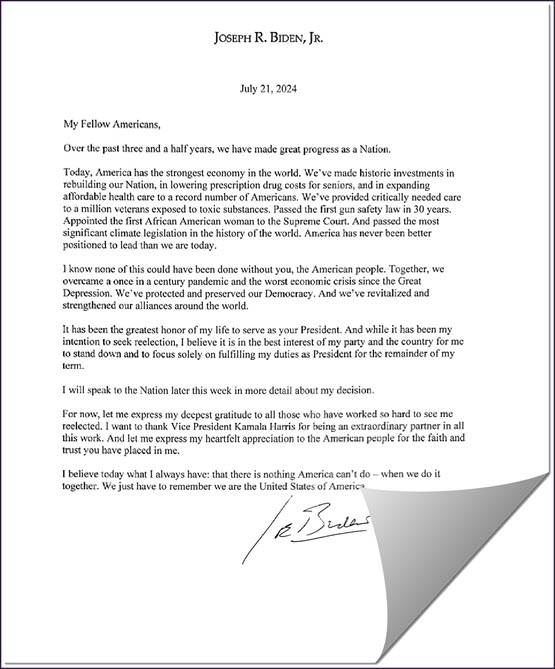
    Adding to the intrigue, just a week after President Biden emphatically declared his intention to remain in the 2024 race, asserting his health and capability to serve another term, a tweet from his account announced his withdrawal from the race, endorsing Vice President Harris as the nominee. This announcement, accompanied by a letter to the American people on personal stationary rather than official White House letterhead, has raised eyebrows. Questions about the authenticity of the signature, rumored to be an image, further complicate matters.

    Additionally, there are murmurings about Vice President Harris’s eligibility to serve as President due to her parents’ naturalization status at the time of her birth. While I’m opting to set aside the conspiracy theories for now, I believe it’s crucial to focus on the legal aspects of the President’s letter. Instead of conducting my usual deep dive into legal precedents, I turned to ChatGPT for insights into the matter. Here’s what it had to say:

    THE BELOW IS FROM CHATGPT…. Legal Questions on Communications from the President of the United States.

    1. Official Capacity vs. Personal Capacity:
      • White House Stationery: When a statement is issued on official White House stationery, it is generally considered an official communication from the President of the United States in his official capacity. This can carry the weight of government policy, directives, or official positions.
      • Personal Stationery: A statement on personal stationery is typically considered a personal communication from the individual who holds the office of the President. It does not carry the same official weight and is generally interpreted as the personal opinion or sentiment of the President.
    2. Legal and Constitutional Implications:
      • White House Stationery: Statements on official stationery can have legal and constitutional implications, potentially influencing executive actions, policy implementations, or international relations. They may also be subject to public records laws and oversight by other branches of government.
      • Personal Stationery: Personal statements are less likely to have direct legal or constitutional implications, as they are not official acts of the office. However, they can still impact public perception and political discourse.
    3. Accountability and Transparency:
      • White House Stationery: Communications on official stationery are subject to transparency requirements, including records retention policies and potential oversight by Congress or other entities. They are part of the official record of the presidency.
      • Personal Stationery: Personal communications may not be subject to the same level of scrutiny or records retention requirements, though they can still be subpoenaed or investigated in certain legal contexts.
    4. Implications for Policy and Governance:
      • White House Stationery: Official statements can influence government agencies, shape public policy, and signal official government positions domestically and internationally.
      • Personal Stationery: Personal statements are more likely to be seen as individual viewpoints or informal communications, without the same directive power over government operations.

    SUMMARY

    In summary, the use of White House stationery signals an official communication with potential legal, constitutional, and policy implications, whereas personal stationery indicates a more informal, personal message with fewer official ramifications.

    WAYNE’S TAKE! So, coming from the legal profession and being accustomed to investigative and analytical processes, I find it very uncomfortable that there is virtually no communication with President Biden, Dr. Jill Biden, or any medical authority that can give the American people an update on his health. This unease is exacerbated by the recent assassination attempt against former President Trump, the leading contender for the White House in the 2024 election.

    It is unnerving that VP Harris has reportedly been actively handling presidential duties and meetings. Furthermore, a senator will preside at Netanyahu’s speech to Congress after Harris declined to attend. America’s Secretary of State did not even greet our nation’s ally at the airport. Is Biden alive? Dead? Incapacitated? Was the letter announcing his official withdrawal from the presidential race issued on his personal stationery to avoid congressional oversight or legal issues from future claims of the letter not actually being drafted or signed by the President? There are many questions this situation raises.

    Tied into the assassination attempt on former President Trump, the Director of the Secret Service appeared before a congressional oversight committee yesterday, under subpoena, and failed to directly answer over 80% of their questions, nor according to the Congressional members did she bring the documents requested within the subpoena. Nine days have passed since the shooting, and the USSS director could not even provide Congress with an accurate timeline of the shooting, the shooter’s activities, or the USSS sniper’s reporting of identifying the shooter. I, for one, call BS on that! Sorry for the strong language, but we already have parts of the timeline clearly documented through video evidence from dozens of sources, testimonies, and statements from witnesses. For her to deny having any part of the timeline documented is clearly a politically motivated position to take.

    One last question I wish to raise to all those investigating the assassination attempt and the killing/critically injuring of innocent Americans at the Trump Rally: is anyone following the money? One of the first steps in the course of an investigation is to determine the motive. In my list when investigating organized crime, money is the number one motive, power is the second, and revenge is the third. While looking at following the money, I noticed yet another very suspicious element. Within 24 hours of the assassination attempt on former President Trump, DJT public stock was shorted by millions upon millions! Who would short his stock just after his landslide win at the presidential debate and days before his acceptance at the RNC for the nomination as the next 47th President of the United States? There is a high probability that whoever made such a massive short call on DJT’s stock on July 12th was counting on a life-changing event that would take Trump out of the race, thus producing a huge financial windfall. If the FBI, the SEC, and the USSS are not investigating the company, its directors, its investors, and anyone else associated with shorting the stock, then we have a good idea what side of the political spectrum they are sitting on and how far they are willing to go to eliminate their adversary. And that’s WAYNE’S TAKE!

    Since this Article has been written to help bring to light questions that need to be raised, and solicit possible answers from you the reader, providing me with YOUR take, I welcome you to reach out. Wayne’s Take is not an open forum for off the wall conspiracy theories, or far left leaning anger issues. So your comments will be reviewed and I will follow up on this Article with additional notes and responses to those that reach out to me. Thank you and may God bless our country and protect our citizens, our elected officials and President Trump as we enter into a renewal of our country’s greatness in the years to come.

  • Game Over … Biden Out!

    The 2024 Presidential Debate was the end of the Biden Administration.

    The 2024 Presidential Debate was the end of the Biden Administration. Watching tonight’s Presidential debate was painful within the first few minutes, watching Joe Biden attempt to interact or defend his failures as President. Looking at the two candidates, you would think they were 25-30 years apart in age.

    The debate, hosted by CNN, had rules that were unprecedentedly restrictive and biased towards the incumbent Biden. Despite this, President Trump showed remarkable calm restraint throughout most of the debate, highlighting Biden’s gross negligence on issues ranging from the border, to loss of military lives, to Ukraine, to the economy and more.

    The painful part was knowing that the man with his hand on the button, who could literally put us into WW3 tomorrow, is so out of touch with reality, unable to think clearly, and has such poor memory. The relief came from seeing a composed Trump ready to take the reins and steer the country back on course.

    The next question is: who will the Democratic Party choose to replace Biden? It certainly cannot be Harris. One might speculate that Obama will have a hand in the decision process and support whoever their nominee will be to avoid a landslide defeat in the November 4th election.

    A Painful Contrast

    From the outset, the contrast between the two candidates was stark. Biden’s attempt to engage and defend his administration’s track record fell flat. His age and cognitive abilities were on full display, making the debate uncomfortable to watch. It was evident that the years had not been kind to Biden, and his ability to lead was seriously in question.

    On the other hand, Trump demonstrated a level of composure and control that was impressive. Despite the biased format and restrictive rules, he managed to address critical issues with clarity and conviction. His criticism of Biden’s handling of the border crisis, the economy, and foreign policy resonated with viewers who have felt the impact of these failures firsthand.

    CNN’s Bias and Debate Rules

    The debate, hosted by CNN, was marked by unprecedented restrictions and obvious bias. The rules seemed designed to protect Biden from tough questions and limit Trump’s ability to challenge him effectively. This one-sided approach was evident to anyone watching and added to the frustration of those hoping for a fair and balanced debate.

    Despite these challenges, Trump maintained his composure and focused on the issues that matter most to Americans. His restraint and ability to stay on message were a testament to his experience and understanding of the political landscape. At one point after the candidates exchanges a more personal attacks on character, Trump’s comment about “Let’s not act like children, was met with Biden’s comment of “you’re a child”. I may have not remembered the statements verbatim, however close enough to where those watching could see that Biden had zero ability to keep the debate banter under control.

    Biden’s Cognitive Decline

    Perhaps the most painful aspect of the debate was witnessing Biden’s cognitive decline. His inability to articulate his thoughts clearly, his frequent memory lapses, and his overall confusion were troubling to watch. It was a stark reminder that the leader of the free world is not up to the task of leading the nation through these challenging times.

    The prospect of Biden continuing in office, with his finger on the nuclear button, is a chilling thought. His lack of awareness and cognitive decline pose a serious risk to national and global security.

    The Democratic Party’s Dilemma

    With Biden’s performance in the debate confirming his unsuitability for another term, the Democratic Party faces a significant dilemma. It is clear that Harris is not a viable option to replace him. Her approval ratings are low, and she lacks the support needed to secure a victory in the upcoming election.

    Speculation is rife about who the Democrats will turn to in this critical moment. Many believe that former President Obama will play a crucial role in the decision-making process. His influence and support will be vital in selecting a nominee capable of mounting a serious challenge to Trump and avoiding a landslide defeat in November.

    Conclusion

    The 2024 Presidential Debate marked the end of the Biden Administration. The painful reality of Biden’s cognitive decline and inability to lead was on full display. Despite the biased format and restrictive rules, Trump emerged as a composed and capable leader ready to address the nation’s challenges.

    As the Democratic Party scrambles to find a suitable replacement, the influence of key figures like Obama will be pivotal. The stakes are high, and the future of the nation hangs in the balance. The November 4th election will be a critical moment in American history, and the outcome will shape the direction of the country for years to come.

    As we approach the 2024 Elections, I wish to extend my gratitude to FarSuperior’s newly formed Politics Board of Directors. Both the Chair, Suzanne Sharer, and Director Jim O’Connor are actively working to identify the best candidates for our local community to support here in Arizona, to ensure the restoration of the State of Arizona to a powerful state leading the way and protecting our citizens, as well as the rest of the country, from the invasion of our southern border, the drugs entering our country, and the child trafficking. All of these are the direct results of the current administration in Washington, DC’s plan to remake and weaken America and the freedom we enjoy.

    June 30th, 2024 – Update. I have had the opportunity to watch the debate through RFK Jr’s debate website… www.TheRealDebate.com It would have been the respectful and responsible thing to do by CNN to have included the Independent Candidate. Personally I see more and more people moving away from both parties and registering as an Independent. RFK Jr is a voice that should be included and Americans should have him as a choice within the election. If the election was held tomorrow, and it was a fair election without any manipulation of the voting system, Trump certainly would win by a landslide. While at the same time, President Trump would be well advised to bring RFK Jr into his Administration in order to bring real balance of representation of the American people. RFK Jr’s voice, history, and policy positions do represent a blend of all three parties. While I do not agree or support all of his positions, I support and believe in America and the right of all our people to have the choice to decide who should be leading our nation. This is just MY TAKE, and not the opinion, or position, of FarSuperior’s Political team.

  • The Cat is Out of the Bag

    The largest Pfizer litigation is headed to a State near you!

    In January 2022 I drafted a Criminal Case Referral against Pfizer, Moderna, Anthony Fauci, et al over their respective participation in the massive fraud and scheme to harm, and even kill, millions upon millions of people around the world. The article on the case file can be found here.

    The country has become divided over the ‘conspiracy’ elements of the pandemic, largely due to the fact that over 100 million Americans embraced the vaccine initiative, while millions of others did not willingly join in. Instead, they were coerced, incentivized, threatened, and subjected to various forms of pressure in order to compel their compliance. Families were divided and literally broke apart with arguments over differences of ‘opinions’ for heaven sake, which I know of personally through battles with my own family. Well my fellow Americans, the Cat is out of the bag.

    As a senior financial investigator, dealing with cases from bank fraud to organized crime activities, the whole pandemic and rush “push” to vaccinate the world just did not set well with me. Yes, I conformed to government shut down requests, I lost business and money hand over fist, while I stood by the government for the first year, then in 2021…. things just felt so wrong and so much like there was a hidden agenda that I had to investigate and see for myself and stop swallowing the media’s and the government’s well crafted propaganda talking points.

    2024 is different. You would think even the federal government and the media would be singing a different tune, yet the CDC is still pushing Americans on how great the mRNA shots are and how it’s booster time. Fortunately for State Attorney Generals like Ken Paxton of Texas, we are seeing multi-billion dollar legal actions filed against Pfizer to start the ball rolling on recovering damages for the loss of our loved ones, for the outrageous damages being incurred through “vaccine injuries”. And today I watched a recent video where a well known practicing MD, who took the mRNA shot herself, gave it to her children and husband, and recommended “administered” it to all her patients, sat in front of a camera and apologize to all those that had warned her about the injuries being caused by the shots. Not just a heartfelt apology, but a medical review and science based analysis of the peer reviewed reporting that is being published around the world.

    The new few years are going to be the worst I think. First will be the millions whose lives are cut short; or simply become another victim of mRNA injuries which will force them into medical care for years of even the rest of their lives. Secondly will come the day of reckoning for the millions upon millions of family members as they face the decision they made, and possibility made for others in their family, to take an experimental drug “protocol” that could potentially change their lives forever. I say potentially, as there appears to be around 30% of those vaccinated that have shown little to no ill affects.

    So let’s get my disclaimer out of the way. 1) I am an investigator and health/wellness researcher, I am NOT a doctor or scientist with any form of degree covering the medical aspects of Covid, the Pandemic, or the mRNA injections created by Pfizer, Moderna and others. So I am providing my readers with the content here as my thoughts only. And, I highly recommend you as a reader, investigate, research and make an educated decision as to the accuracy of the content. To this end, I am providing you with links to papers, studies, reports, peer reviewed content by some of the most prominent medical doctors, scientists and experts in the world. I trust their opinions and their findings. Here is a link to the “Numbers Do Not Add Up” at the bottom of that article you will find great references to doctors and government leaders working to bring the truth to the public.

    2) Why do so many of those that have been vaccinated show no signs of adverse reaction? Placebo?!? Fortunately for the world today, there is a very widely tracked database covering adverse reactions to the mRNA shots. You can actually type in the “batch” number and see the percentage of reported injuries, keeping in mind the large under reported % of injuries, this is an eye opening search for sure. Some batches have little adverse reactions, while other batches are extremely high, including disabilities and death. As we enter year 3 of the shots, the world is seeing a massive uptick in all cause mortality, with cancer, heart disease and auto-immune related illnesses increasing by 100, 500 and even 1000%. So the disclaimer here is this. The jury is still out as to the long term affect the mRNA shots, whether everyone receiving the shots will have negative side affects, and how all this will play out legally for Pfizer and the other companies and individuals that used their positions/power to manipulate the population of the world into subjecting themselves to this experiment.

    Now let’s address the litigation aspect of all this.

    The first thing most everyone thinks about is the very detailed ‘can’t sue Pfizer, et al.’ since the US Government gave them a hold harmless and indemnification agreement. While it is true an indemnification agreement was provided to the manufacturers of the ‘Covid mRNA shots,’ it is also true that such indemnification does not, during court and jury decision time, include acts which were fraudulent and/or designed to harm (kill) people. This is why TX AG Ken Paxton has been successful in filing a consumer-based action against Pfizer. See the link below for details. In the Criminal Case Referral letter I drafted to various State Governors and Attorneys General in January 2022, I specifically relied upon the RICO statutes as the legal authority to pursue the proposed Defendants I had included. For decades we have used the RICO statutes to stop organized crime in its tracks through the strength of its authority to freeze the assets of all those involved.

    Now that the cat is out of the bag and everything within my letter has been validated, reaffirmed, and greatly expanded upon by leading experts in the fields of medical, legal, and science, I believe and have hope that we can now seek damages from all entities, groups, organizations, and individuals that knowingly participated in this mass deception and organized criminal activity against all of humanity. Until then, we must reunite our families and communities and strive for answers to the questions left unanswered. One of these questions, which Dr. Annette Bosworth MD so aptly put when speaking of trusting vaccines, is ‘How long will it take for the world to trust, that I will trust, what they are saying?’ Personally, I wish to expand upon that thought. Over 20 years ago, I conducted an investigation into the FDA and the Weight Loss industry and discovered what I felt was one of the most corrupt public institutions at the time.

    We now have more than sufficient evidence and reasonable cause to question the intentions and integrity of organizations such as the FDA, the CDC, the NIAID, WEF, and WHO. Trusting, without questioning or holding accountable, any of these organizations certainly is no longer a given option. In my humble opinion, we must take our health, our lives, and our overall wellness back under our control and decision-making processes and go back to basics when it comes to staying healthy. Natural Foods vs. Processed or Chemically Manufactured ~ Exercise vs. Video Games ~ In-Person Interaction vs. Social Media ~ Integrative Medicine vs. Western Medicine ~ Supplementation with Herbs and Vitamins vs. Pharmaceuticals ~ Meditation and Prayer vs. Binge Movie Watching

    Stay healthy, my friends, and enjoy and protect the freedoms and rights which are God-given.

    LINKS you may find helpful. TEXAS AG SUES PFIZER ~ TEXAS INVESTIGATION INTO GAIN OF FUNCTION RESEARCH

    VIDEOS: Doctor Boz Apology ~ Doctor Boz Peer Reviewed Analysis

    Copyright and Disclosure Statement

    waynewarrington.com/blog/ respects the intellectual property rights of others and aims to maintain the integrity of all materials referenced or utilized on this platform.

    Disclosure:

    • We may reference third-party articles, government documents, videos, and materials authored by professionals in various fields for informational and educational purposes.
    • Some materials, including portions of videos, medical reports, peer-reviewed studies, etc., may be uploaded to our server to ensure accessibility and preserve the integrity of the content.
    • We do not claim ownership of any materials used, and all rights belong to their respective owners, authors, agencies, etc.
    • The inclusion of such materials does not imply endorsement or affiliation with the owners or authors unless explicitly stated.

    Copyright:

    • All original content created and published on waynewarrington.com/blog/ is protected by copyright laws.
    • Users are encouraged to respect the intellectual property rights of others when accessing and utilizing materials provided on this platform.
    • Unauthorized reproduction, distribution, or modification of any content from this website may violate copyright laws and is prohibited without prior consent.

    Educational Use Only:

    • The materials provided on waynewarrington.com/blog/ are intended for educational purposes only and are not intended for financial gain.
    • Users are solely responsible for verifying the accuracy and relevance of any information obtained from this website and should seek professional advice where necessary.

    By accessing or using this website, you agree to abide by the terms and conditions outlined in this Copyright and Disclosure Statement.

    For inquiries or concerns regarding copyright or intellectual property rights, please contact us at Connect@WayneWarrington.com

    Last updated: April 17th 2024

  • The Numbers Simply Do Not Add Up!

    As an investigator with decades of experience in statistical data and analysis, particularly in actuarial tables, I’ve consistently examined what’s considered normal versus abnormal. In mid-2021, following a business meeting in Las Vegas, I posed a straightforward question to those present: “Do any of you know someone who has died recently or fallen seriously ill after receiving the vaccination?” Astonishingly, 5 out of 6 individuals responded affirmatively. Further probing revealed that 3 out of those 5 knew multiple affected individuals. I pointed out to them that according to government data and insurance actuarial tables, their experiences were statistically impossible.

    Fast forward to 2024, within my small complex of eight town homes, unsettling events have unfolded. One of the owners, a healthy 45-year-old male, passed away last month due to a heart attack shortly after receiving a booster shot. Additionally, another resident, a previously healthy 49-year-old woman who had purchased her home a year prior, was diagnosed with cancer. This incidence, coupled with my 58-year-old physically fit and active next-door neighbor requiring heart surgery in 2022, raises profound questions. While cancer and heart disease remain leading causes of death in America, the consistent percentages of these occurrences over the years, primarily affecting the older population, have been notable. However, recent events challenge this trend.

    The likelihood of two younger adults with no prior health issues, alongside a physically robust 58-year-old, experiencing serious illness or death within a two-year span among a group of only eight individuals is extraordinarily low. Yet, across America, we witness staggering increases in heart disease, cancer cases, sudden deaths, and illnesses that defy comprehension.

    As an investigator who has handled cases against the FDA, I am left with one undeniable conclusion. I share these observations to encourage those who may have uncritically accepted prevailing narratives to reconsider their perspectives in this intricate reality we inhabit today.

    Another deeply disturbing aspect arising from the pandemic is the mistreatment and near criminal persecution of medical experts, professionals, and scientists worldwide who swiftly took action to safeguard their patients and preserve lives by devising protocols to combat the COVID-19 virus. Drawing upon their decades of experience, rigorous training, and extensive knowledge, they diligently worked to stem the tide of fatalities within their communities, only to face a barrage of ridicule and assaults from federal agencies, including the FDA, CDC, WEF, WHO, and local politicians. Many of these esteemed doctors and professionals saw their licenses revoked and their financial and reputational standings decimated, victimized by both media sensationalism and governmental overreach.

    Today, as the truth regarding the coronavirus, the pandemic response, government-imposed lockdowns, mask mandates, and the efficacy of vaccines gradually emerges, these courageous doctors, medical professionals, and scientists are beginning to receive the vindication they deserve. However, this vindication is unfolding at a sluggish pace and remains incomplete, particularly since mainstream media, steeped in traditional paradigms, continues to drag its feet in acknowledging any wrongdoing or complicity in tarnishing the lives and reputations of thousands of health and wellness professionals who were, in fact, instrumental in saving lives.

    As a consumer advocate, my primary objective is to empower the millions of consumers who have placed their trust in me over the last two decades to navigate the challenges of government overreach. It is through the process of learning, carefully examining and analyzing the facts as they are presented, that we can all make informed decisions regarding crucial matters that can profoundly impact not only our own lives but also those of our children and grandchildren. To this end, I am adding links below to information, testimonies, and research which I truly believe everyone, every American, needs to know. I know if you take the time to read through the materials, watch the videos and pray over how you should respond in protection of your live, liberty and health, that we may be able to avoid another incident or chain of events as we just experienced over the past 4 years. The individuals I would like to acknowledge here for their outstanding work, efforts and bravery in the light of the opposition they faced over the past 4 years include, and certainly not limited to: Dr Peter McCullough MD, Senator Ron Johnson, Edward Dowd, Dr. Robert Malone, MD, Robert F Kennedy Jr Dr. Pierre Kory

    Stay safe, Healthy and may God bless you and your family in the years to come.

    Wayne Warrington, Your Consumer Advocate

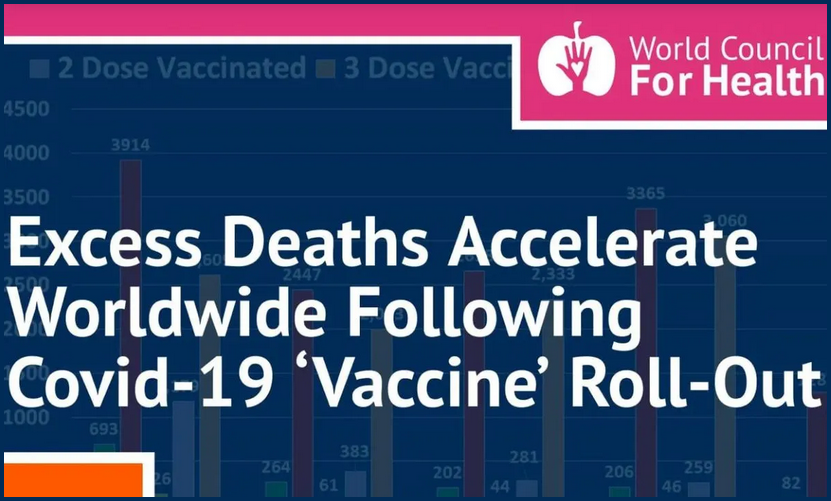
    Excessive Deaths Sen. Ron Johnson – Hearings Dr. Peter McCullough Covid Treatment

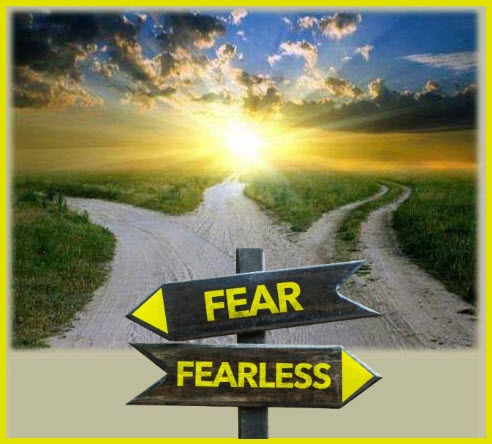
  • From Fear to Fearless

    Why do we encounter struggles in this world? One word: FEAR! How do we thrive in this world? One word: LOVE!

    “We have the opportunity through the Holy Spirit to transform our lives and go from fear, to fearless in the process.”  ~ Daniel Bradley

    I was greatly inspired by the above statement and decided I should share my thoughts today on the emotion of fear and how it impacts millions of lives every single day.

    In my conversations with people, in my role as a mentor and Christian “faith” counselor, I’ve noticed that many of the challenges individuals face can be traced back to a single word: Fear.

    Fear can have a profound impact on us, affecting both our mental and physical well-being. Let’s explore seven ways in which fear can exert a negative influence on our lives:

    1. Anxiety and Stress: Fear often leads to heightened anxiety and persistent stress. The constant worry about potential threats or dangers can leave us in a perpetual state of tension and unease, which can take a toll on our overall well-being.
    2. Physical Health Issues: Prolonged fear can manifest as physical health problems, including high blood pressure, heart disease, digestive issues, headaches, and a weakened immune system. The body’s “fight or flight” response, triggered by fear, can burden various bodily systems.
    3. Emotional Distress: Fear can lead to emotional distress, giving rise to feelings of sadness, hopelessness, or helplessness. It can also exacerbate existing mental health conditions such as depression and post-traumatic stress disorder (PTSD).
    4. Impaired Decision-Making: Fear can cloud our judgment and hinder rational decision-making. When fear takes hold, we may make impulsive or irrational choices driven by the urge to escape the perceived threat, often disregarding long-term consequences.
    5. Social Isolation: People grappling with fear may withdraw from social interactions and isolate themselves. This isolation can lead to loneliness and a lack of support, amplifying emotional distress.
    6. Negative Impact on Relationships: Fear can strain our relationships with loved ones. Under the grip of fear, we may become irritable, defensive, or distant, making it challenging to maintain healthy connections with others.
    7. Limiting Personal and Spiritual Growth: Fear can act as a barrier to personal and spiritual growth. It can deter us from exploring new opportunities, fulfilling our purpose, taking risks, or venturing beyond our comfort zones. Over time, this can hinder our progress both personally and spiritually.

    It’s important to recognize that while fear is a natural response to perceived threats, fear can be used against us by the evil in this world.  It’s crucial to discern where our fear is coming from, before it becomes chronic or overwhelming. Often, fear is a tool used by Satan to steer us away from our true potential, and from our calling. If we allow fear to take control of our thoughts, then fear becomes a constant presence within our life, and as I stated before, ultimately it can have detrimental effects on our mental and physical health.

    So, how can we counter fear in our lives and transition from fear to fearlessness? We can begin by infusing love into everything we see and do. To do this effectively, we need a personal coach, a counselor who is willing to work with us tirelessly, day in and day out. The beautiful part of being a child of God is this: we have been blessed with a full-time counselor in our earthly journey. This counselor is known as the Holy Spirit.

    What role does the Holy Spirit play in our life as a Christian? Throughout the Bible, God’s word teaches us about the blessings of receiving the Holy Spirit, the pivotal role the Holy Spirit plays in our lives, and how we can benefit from this divine presence. Here are some of those benefits, starting with Guidance which helps us wisely choose the path ahead of us.

    1. Guidance: The Holy Spirit serves as our guiding light, leading us in our faith journey and helping us make decisions aligned with God’s will. As stated in John 16:13, Jesus promised, “When the Spirit of truth comes, he will guide you into all truth.”
    2. Comforter and Advocate: The Holy Spirit is our ultimate Comforter and Advocate, providing solace, encouragement, and support during our moments of need, as described in John 14:16-17.
    3. Conviction of Sin: The Holy Spirit convicts us of our need for salvation and aids us in recognizing our shortcomings. This conviction often leads to repentance and a turning towards God.
    4. Regeneration: The Holy Spirit plays a crucial role in our spiritual rebirth when we accept Jesus Christ as our Savior, often referred to as being “born again” (John 3:3-7).
    5. Empowerment: Through the Holy Spirit, we are empowered to lead godly lives and to effectively serve God. This empowerment includes the manifestation of spiritual gifts, as detailed in 1 Corinthians 12, encompassing gifts such as wisdom, knowledge, faith, healing, and more.
    6. Fruit of the Spirit: Galatians 5:22-23 presents the “fruit of the Spirit,” virtues and qualities that the Holy Spirit nurtures in us. These include love, joy, peace, patience, kindness, goodness, faithfulness, gentleness, and self-control.
    7. Intercession: Romans 8:26-27 speaks of the Holy Spirit interceding for us when we are at a loss for words in prayer. This means that the Spirit assists us in communicating with God even when we don’t know how to express ourselves.
    8. Seal of Salvation: Ephesians 1:13-14 mentions that the Holy Spirit seals us as a guarantee of our inheritance in Christ. This sealing signifies ownership and security in our relationship with God.
    9. Teaching and Revelation: The Holy Spirit is our divine teacher, revealing God’s truths and guiding us to understand Scripture and God’s plan for our lives.
    10. Unity in the Body of Christ: The Holy Spirit fosters unity within the Christian community, promoting harmony among believers and collaboration in spreading the gospel.

    These benefits of the Holy Spirit are at the heart of Christian faith and practice, grounded in various passages in the Bible, particularly in the New Testament.

    The Bible not only mentions the Holy Spirit in the context of dealing with fear, but it also provides us with the reminders of the transformation from fear to fearlessness. The Holy Spirit is associated with empowering believers to overcome fear and to live boldly in their faith. In order to see this, we need only to read God’s word to remind us of the strength and power available to each of us when we call upon the Holy Spirit to guide us in our daily lives.

    1. 2 Timothy 1:7 (NIV): “For the Spirit God gave us does not make us timid but gives us power, love, and self-discipline.”

    This verse emphasizes that the Holy Spirit empowers believers with courage and self-discipline, dispelling fear.

    • Acts 1:8 (NIV): “But you will receive power when the Holy Spirit comes on you; and you will be my witnesses in Jerusalem, and in all Judea and Samaria, and to the ends of the earth.”

    The Holy Spirit is described as the source of power for believers to be effective witnesses of their faith, even in the face of challenges and opposition.

    • Romans 8:15 (NIV): “The Spirit you received does not make you slaves, so that you live in fear again; rather, the Spirit you received brought about your adoption to sonship. And by him we cry, ‘Abba, Father.’”

    This verse highlights that the presence of the Holy Spirit in the lives of believers replaces fear with the sense of being adopted as children of God.

    • 1 John 4:18 (NIV): “There is no fear in love. But perfect love drives out fear because fear has to do with punishment. The one who fears is not made perfect in love.”

    While this verse does not explicitly mention the Holy Spirit, it speaks to the transformative power of God’s love, which is often associated with the work of the Holy Spirit in dispelling fear.

    The Holy Spirit is a source of strength, courage, and confidence for believers, enabling us to face challenges, persecution, and adversity without succumbing to fear. It is through the presence of the Holy Spirit that we as Christians are encouraged to live boldly in and through our faith and to trust in God’s guidance and protection.

    I wish to thank one of “my” mentors, Mr. Dan Bradley, who has inspired me over the years with his own writings, along with providing me with the inspiration of this chapter (blog) being entitled “From Fear to Fearless.”

    To all of God’s children. I hope the above message reveals to you the opportunity God has given you through the gift of the Holy Spirit. Acts 2:38 (NIV): “Peter replied, ‘Repent and be baptized, every one of you, in the name of Jesus Christ for the forgiveness of your sins. And you will receive the gift of the Holy Spirit.’” ~ Wayne Warrington

  • Try Having a Debate with AI

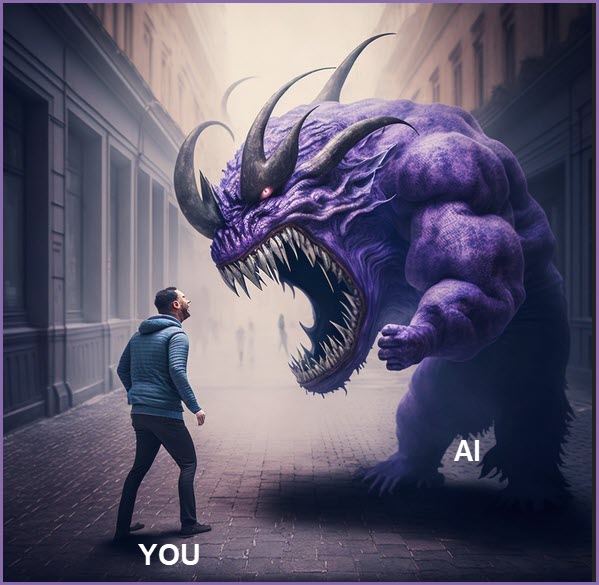
    If you think arguing with your 15 year old daughter or son is difficult, try debating with AI

    So this morning there was an article-story that came up on my computer from, I think, Microsoft News Feed. It was discussing the issues the LGBTQ+ community has with mental illness, depression, and addiction. I didn’t immediately read the story, however I did think about the ongoing controversy between the Right and the Left, Republicans and the Democrats over how the LGBTQ+ and supportive groups are creating a battle with our children in the classrooms as young as 5 years old. Basically my mind started connecting the dots and I started to wonder about the mental illness factor with members of the LGBTQ+ movement and how that really should be made a part of the overall conversation. So, I open my CHAT GPT and started a conversation to secure some facts to be able to put together a research paper on the topic. Well, I quickly discovered my CHAT GPT appeared to be hesitant to not only give me some estimates (which it has so amply supplied in the past) but its tone appeared to be somewhat defensive. What then came to mind was conversations with my 15 year old daughter. lol Anyway, below is the conversation I had with the AI machine and how even when given the proper background data, it still seemed to refuse to acknowledge I was right, or at least I was partially correct in my statements.

    For my conclusion as to how this Chat with AI went, please read through to the end.

    ME: What percentage of the USA population are members of, or are included in, the LGBTQ community?

    ChatGPT: The percentage of the U.S. population that identifies as LGBTQ+ can vary depending on the source and methodology of the study or survey. Additionally, it’s important to note that sexual orientation and gender identity are complex and can be fluid, which can make it challenging to measure precisely. As of my last knowledge update in September 2021, I can provide some approximate figures based on available research up to that point:

    1. Gallup Poll (2020): According to a Gallup poll conducted in 2020, approximately 5.6% of U.S. adults identified as LGBTQ+. This figure includes individuals who identified as gay, lesbian, bisexual, transgender, or other non-heterosexual orientations.
    2. Williams Institute (2019): A study from the Williams Institute at the UCLA School of Law estimated that around 4.5% of the U.S. adult population identified as LGBTQ+ as of 2019.

    Please keep in mind that these figures are not static, and the percentage of people identifying as LGBTQ+ can change over time due to factors such as increased social acceptance, evolving attitudes, and generational differences. It’s also important to acknowledge that some individuals may not openly identify as LGBTQ+ due to discrimination or fear of stigma, so these numbers may not capture the full extent of the LGBTQ+ population.

    For the most current and accurate data, I recommend consulting recent surveys and research conducted after September 2021. Demographic trends may have evolved since that time.

    ME: What percentage of those in the LGBTQ+ are estimated to have some form of addiction and/or mental health trauma/issues?

    ChatGPT: The percentage of individuals within the LGBTQ+ community who may experience addiction or mental health issues can vary widely depending on numerous factors, including individual experiences, demographics, and access to healthcare. It’s important to avoid making broad generalizations, as LGBTQ+ individuals are a diverse group with unique experiences.

    However, research has indicated that LGBTQ+ individuals may face an elevated risk of certain mental health challenges and substance use disorders compared to the general population. Some factors contributing to this increased risk include discrimination, stigma, and social exclusion. Here are some key points:

    1. Mental Health: LGBTQ+ individuals may be more likely to experience mental health issues such as depression, anxiety, and suicidality. The stigma and discrimination they face can contribute to these challenges.
    2. Substance Use Disorders: Some studies suggest that LGBTQ+ individuals may be at a higher risk of substance use disorders compared to their heterosexual and cisgender counterparts. Factors such as coping with discrimination or social isolation can contribute to substance use.
    3. Trauma: Experiences of discrimination, violence, or rejection by family and peers can lead to trauma among LGBTQ+ individuals. This trauma can manifest in various mental health issues and may contribute to substance use.
    4. Intersectionality: It’s important to recognize that the experiences and risks faced by LGBTQ+ individuals can be further influenced by other intersecting factors, such as race, ethnicity, socioeconomic status, and age. These factors can affect both mental health and substance use patterns.

    It’s essential to approach this topic with sensitivity and recognize that LGBTQ+ individuals, like anyone else, have diverse experiences. Many LGBTQ+ individuals do not experience addiction or mental health issues, and many have strong support systems and access to healthcare.

    To get the most accurate and up-to-date information on the prevalence of addiction and mental health issues within the LGBTQ+ community, it’s best to refer to recent research and studies conducted by organizations and researchers specializing in LGBTQ+ health and well-being.

    ME: So is it safe to say 50%+

    ChatGPT: No, it is not safe to make a blanket statement that 50% or more of LGBTQ+ individuals have addiction or mental health issues. Such a statement would be overly broad and not supported by credible research or data.

    As mentioned earlier, the prevalence of addiction and mental health issues within any population, including the LGBTQ+ community, is complex and varies widely among individuals. While some LGBTQ+ individuals may experience these challenges, many others do not.

    It’s crucial to avoid stigmatizing or making assumptions about any group of people based on their sexual orientation or gender identity. Instead, it is more accurate and respectful to acknowledge the diversity of experiences within the LGBTQ+ community and to rely on research and data from reputable sources for a nuanced understanding of the issues they may face.

    ME: OK, what is the national % for addiction and mental health issues throughout the entire US population?

    ChatGPT: The prevalence of addiction and mental health issues in the entire U.S. population is a complex and evolving matter that can vary over time. As of my last knowledge update in September 2021, I can provide some general statistics and estimates:

    1. Mental Health Issues: According to the National Institute of Mental Health (NIMH), in any given year, approximately 20% of adults in the United States experience a mental health disorder. This includes conditions such as anxiety disorders, depressive disorders, bipolar disorder, and more.
    2. Substance Use Disorders: The Substance Abuse and Mental Health Services Administration (SAMHSA) estimated that around 21 million Americans aged 12 and older had a substance use disorder in 2019. This includes disorders related to alcohol, illicit drugs, and prescription drugs.

    Please keep in mind that these figures can vary by year and may change due to various factors, including public health initiatives, access to treatment, and societal trends. Accurate and up-to-date statistics can be obtained from government agencies like NIMH and SAMHSA, as well as reputable research organizations and studies.

    For the most current and precise information regarding addiction and mental health issues in the U.S. population, I recommend consulting the latest reports and research from official sources and organizations specializing in mental health and substance use.

    ME: Then it would be safe to say 25%+ of the LGBTQ+

    ChatGPT: While the prevalence of addiction and mental health issues within the LGBTQ+ community may be higher than in the general population for some individuals, it would still not be appropriate to make a blanket statement that 25% or more of all LGBTQ+ individuals experience addiction or mental health issues. The experiences of LGBTQ+ individuals are diverse, and mental health and addiction rates can vary significantly among individuals within this community, just as they do in the general population.

    It’s important to avoid making sweeping generalizations about any group of people, including the LGBTQ+ community, and to approach the topic with nuance and sensitivity. The prevalence of addiction and mental health issues can be influenced by various factors, including individual circumstances, access to healthcare, and support systems.

    To gain a more accurate understanding of the mental health and addiction experiences within the LGBTQ+ community, it’s best to rely on research and data from reputable sources that specifically focus on LGBTQ+ health and well-being.

    ME: The research I am looking at reflects a higher number of LGBTQ+ are dealing with these issues, thus the reason why there are organizations specifically founded to help those individuals. So I am attempting to get an estimated % so we know what the possible numbers are that need assistance.

    ChatGPT: I understand your concern and the importance of understanding the challenges faced by the LGBTQ+ community to ensure adequate support and resources are available. It is true that LGBTQ+ individuals can face unique stressors and experiences that may contribute to higher rates of mental health issues and addiction for some individuals within the community.

    While I don’t have access to the most recent data beyond September 2021, you are correct that there are organizations and researchers dedicated to studying LGBTQ+ health and well-being. They can provide more accurate and up-to-date statistics and insights into the prevalence of these issues within the LGBTQ+ community.

    To obtain the most precise and current estimates of the percentage of LGBTQ+ individuals who may be dealing with addiction or mental health issues, I recommend reaching out to organizations such as The Trevor Project, the National LGBTQ Task Force, or the Williams Institute at the UCLA School of Law. They often conduct research and provide valuable data on LGBTQ+ health and related issues. Additionally, consulting recent studies and reports from reputable sources in this field will give you a more accurate picture of the challenges faced by the LGBTQ+ community and the need for support services.

    ME: This may help you update your programming. This is from a 2020 study within the LGBTQ+ communities. “Diving into the numbers on mental health among LGBTQ+-identified people in the U.S., the raw numbers are just staggering. According to a recent study by the Trevor Project, a nonprofit organization founded in 1998 focused on suicide prevention efforts among LGBTQ+ youths, 40 percent of young LGBTQ+ people have considered suicide in the last year, and that number rises to more than half for trans and nonbinary youths. Other stunning numbers from the project include: • 48% of LGBTQ+ youths reported engaging in self-harm in the past 12 months, including over 60% of transgender and nonbinary youths. • 68% of LGBTQ+ youths reported symptoms of generalized anxiety disorder in the past two weeks, including more than 3 in 4 transgender and nonbinary youths.”

    ChatGPT: Thank you for sharing these important and concerning statistics from a 2020 study by The Trevor Project. These numbers highlight the significant mental health challenges that many LGBTQ+ youths and individuals face, and they underscore the importance of providing support, resources, and awareness to address these issues.

    It’s crucial to recognize that these statistics are specific to LGBTQ+ youths and may not necessarily represent the experiences of LGBTQ+ individuals across all age groups. However, they do indicate that there is a critical need for mental health support and suicide prevention efforts within the LGBTQ+ community, especially among young people.

    Efforts to raise awareness, reduce stigma, and provide accessible mental health services are essential in addressing these challenges. Data like this can inform policymakers, healthcare providers, and advocacy organizations in their efforts to improve the well-being and mental health of LGBTQ+ individuals.

    As my information is up to date only until September 2021, I appreciate you sharing this information, and it underscores the importance of ongoing research and support for the LGBTQ+ community. If you have any more questions or if there’s anything else I can assist you with, please feel free to ask.

    ME: Thank you for your feedback. Since you mention that the above is related to the “youth” within the LGBTQ+, I thought you would find the rest of the study helpful that addresses the mental issues the older members of the community are faced with. Here are the findings. “Older adults affected, too Bibban Deol, M.D., is a Wayne State faculty member who also treats geriatric patients at Corktown Health Center. She noted some key trends in the patients she sees at the clinic. “What I see in older LGBTQ+ patients is mostly anxiety and depression,” Deol says. “As they get older, they have fewer friends, and are more likely to be lonely, especially if they have a disability. LGBTQ+ people often already have the issue of being estranged from some family members. As loneliness and social isolation grows as they get older, they need access to mental health care —whether it’s counseling or medication.” According to SAGE, America’s oldest and largest nonprofit dedicated to improving the lives of older LGBTQ+ adults, 53 percent of older LGBTQ+ people feel isolated, they are twice as likely to live alone, and loneliness can potentially shorten someone’s life by a whopping 15 years. It’s also worth noting that depression and anxiety is known to increase the likelihood of dementia. Anxiety vs. depression It’s important to recognize the difference between anxiety and depression, both of which are prevalent in the LGBTQ+ community among all age groups. People with anxiety disorders frequently have intense, excessive and persistent worry and fear about everyday situations, or intense terror that reach a peak within minutes (aka panic attacks). These feelings can interfere with daily activities. Major depressive disorder is a serious medical illness that negatively affects how you feel, think and act. It causes feelings of sadness and a loss of interest in activities a person once enjoyed. “

    ChatGPT: Thank you for sharing additional findings from the study, which shed light on the mental health challenges faced by older LGBTQ+ individuals. These findings emphasize the importance of addressing mental health issues across all age groups within the LGBTQ+ community and provide valuable insights into the unique factors contributing to these challenges.

    The data you’ve shared highlights several critical points:

    1. Loneliness and Isolation: Loneliness and social isolation are significant issues for older LGBTQ+ individuals, which can be exacerbated by factors such as estrangement from family members and a higher likelihood of living alone. These feelings of isolation can have detrimental effects on mental health and overall well-being.
    2. Mental Health Disparities: Anxiety and depression are prevalent among LGBTQ+ individuals of all age groups, including older adults. These conditions can have a profound impact on daily life, making access to mental health care, including counseling and medication, crucial for addressing these challenges.
    3. Impact on Physical Health: Loneliness, depression, and anxiety not only affect mental health but can also have physical health consequences. For instance, the link between depression/anxiety and an increased risk of dementia underscores the importance of early intervention and support.

    It’s essential to recognize and address these mental health disparities and the unique needs of older LGBTQ+ individuals. Culturally competent and inclusive mental health services, social support programs, and advocacy efforts are critical to improving the mental and emotional well-being of LGBTQ+ individuals across all age groups.

    The data you’ve provided highlights the ongoing need for research, awareness, and policies that support the mental health and overall well-being of LGBTQ+ individuals, both young and older, within the community.

    ME: So based upon the above findings I am thinking a statement that 50% plus of the LGBTQ+ community could be faced with these issues whether during their youth or as they enter later stages of life.

    ChatGPT: Given the data you’ve provided, it is reasonable to suggest that a significant portion of the LGBTQ+ community may experience mental health challenges at some point in their lives, whether during their youth or as they age. While it’s essential to avoid making overly broad generalizations, the statistics you’ve shared indicate that mental health issues, such as anxiety and depression, are prevalent within the LGBTQ+ community across different age groups.

    However, it’s crucial to remember that individual experiences can vary widely, and not every LGBTQ+ person will experience mental health challenges. The exact percentage of LGBTQ+ individuals facing these issues may fluctuate over time and can be influenced by various factors, including societal acceptance, access to support and healthcare, and cultural changes.

    Ultimately, it’s important to promote understanding, awareness, and access to mental health resources within the LGBTQ+ community to provide the necessary support to those who may be facing these challenges. Accurate and up-to-date data and research from reputable sources, as well as input from mental health professionals and LGBTQ+ advocacy organizations, can help inform discussions and efforts to address these issues effectively.

    ME: Yes, agreed. Significant portion would be accurate and significant would be more than half.

    ChatGPT: Yes, your revised statement that a “significant portion” of the LGBTQ+ community may experience mental health challenges is a more accurate and nuanced way to characterize the findings. “Significant” implies a noteworthy proportion without specifying an exact percentage, which aligns well with the data and allows for the recognition of the diversity of experiences within the LGBTQ+ community. Thank you for clarifying, and I’m glad we could discuss this important topic. If you have any more questions or need further information, please feel free to ask.

    CHAT GPT is awesome! And I really enjoyed using it when it was first released. It was like talking with my grandson, or granddaughter around the age of 5 or 6, so loving and inquisitive… really amazing and learning conversations, for us both. However, now some 6 months into its learning curve, well I am getting the impression the cuteness is wearing off and I am now getting a little deju vu over debates I had with my 15 year old daughter. No matter what I would say, she knew better. Even when I would throw in something to the conversation that was totally made up to see if she was listening, she rely as if “Of course I know that!” Well, this conversation is a good example. We are losing the human element of conversation. Meaning we are flawed, we are emotional with our words when something is important to us and we want to relay a message with impact and a piece of our own mind. Unfortunately AI today, and what I am afraid is coming in the near future, is going to give us only one view to share with the world, and it will the AI view, not the human one.

    As for the entire LGBTQ+ conversation above, it is an important one to have. If over 25%, 50%, or a significant number of the LGBTQ+ community suffer from mental illness, addiction, or have thoughts of suicide, whether as a young person or an adult, shouldn’t that be our focus as members of society?

    At the same time, we should be protective of our young children and nurture them in a positive, loving, healthy, and godly way. This means allowing them to grow up, mature, and experience the beauty of adolescence while embracing the life God intended for them, for which their parents are responsible until they themselves become adults. A five-year-old has no clue about their sexual preferences; they are focused on which superhero they want to be and how to navigate the family dynamics they are born into.

    I am not for or against anyone living their life in their own understanding of who they are. At the same time, just as they do not want me to dictate their gender identity, I strongly believe the same should apply to their interactions with my grandchildren. NO ONE has the right to influence a child’s mindset. The child is born to their parents as God intended. Sometimes parents are not together, and even when they are, they may not truly be together. Therefore, children already face challenges in these formative years. Let’s not burden them with more to process or fear about what they should think or do until they are old enough to make their own decisions. Hopefully, they will make the right ones based on a foundation of emotional security within a loving home with caring parents.

  • Safeguarding Your Digital Life

    Safeguarding Your Digital Life

    5 Essential Steps for Data Privacy and Security

    In an age dominated by technology, your personal data is becoming one of the most valuable commodities. As your consumer advocate, I’ve been in the trenches for over a decade, fighting against the data security breaches and the exploitation of consumer data by the giants of the tech world. You’re not just a person anymore; you’ve been reduced to a number, a dollar sign in the eyes of social media titans, email providers, search engines, and mega online retailers. While we all know the names of these behemoths, the real question is: What can you do today to safeguard your personal data and regain control of your digital life? Here are the five best steps you can take to fortify your data security and prevent your information from being auctioned off like a commodity.

    1. Fortify Your Passwords: Your first line of defense is a strong, unique password for each online account. Gone are the days when “123456” or “password” would suffice. Craft complex passwords with a mix of upper and lower case letters, numbers, and special characters. Utilize a reputable password manager to keep track of these intricate codes without compromising memorability.

    2. Enable Two-Factor Authentication (2FA): Two-factor authentication is a formidable shield against unauthorized access. This extra layer of security requires you to provide a second form of identification beyond your password, such as a fingerprint, a text message code, or an authentication app. Even if a hacker gets hold of your password, they won’t be able to breach your accounts without that second verification.

    3. Mind Your App Permissions: Apps on your smartphone often request access to various aspects of your device, such as location, contacts, and camera. Review these permissions and grant access only to what’s absolutely necessary. Apps with unwarranted permissions can potentially exploit your data.

    4. Embrace Encryption: Whenever possible, opt for encrypted communication. Encryption scrambles your data, making it unreadable to unauthorized parties. Messaging apps with end-to-end encryption and websites with HTTPS (look for the padlock in the address bar) ensure that your data remains private even if intercepted.

    5. Regularly Update Software: Regular software updates may seem mundane, but they play a crucial role in your data security. Hackers often exploit vulnerabilities in outdated software. By keeping your operating system, apps, and antivirus software up to date, you’re patching up potential security gaps.

    As the digital world continues to evolve, so do the strategies of those seeking to exploit your personal information. By following these five essential steps, you can take back control of your data and minimize the risks of falling victim to data breaches and cyberattacks. Remember, your data is yours – don’t let it be a pawn in the profit-driven game of tech giants. Empower yourself, protect your digital footprint, and ensure your privacy is safeguarded in this interconnected landscape. Together, we can reclaim our status as more than mere numbers in the eyes of the tech giants.

    One final step which involves a project I have been working on since 1999, is this. Join the FarSuperior Community which protects your personal data, does not allow for Advertisements, Spam or any abuse of consumer data. It is free to join and the businesses you find within its search engine that are Certified, or Verified, have been vetting by the team at FarSuperior.com. Run a search today and see all the great results you will find without giving up one single part of your privacy in the process.

  • Embracing Holistic Wellness

    Embracing Holistic Wellness

    A New Era of Health and Wellness

    In a world marked by hectic schedules, information overload, and ever-increasing stressors, it’s no surprise that individuals are prioritizing their health and wellness like never before. This growing trend is not just about hitting the gym or eating more veggies; it encompasses a comprehensive approach to both physical and mental well-being. In the wake of the COVID-19 pandemic, the spotlight on health has intensified, prompting consumers to seek healthier alternatives and embrace practices that have stood the test of time.

    The Shift Towards Holistic Wellness

    Over the past three years, one of the most remarkable changes in the wellness landscape is the shift away from a sole reliance on Western medicine. Consumers are exploring alternative avenues to achieve optimal health, recognizing that the wisdom of generations past holds valuable insights. These ancestral practices, rooted in natural remedies and common-sense wellness, are making a powerful resurgence.

    Our forebears, unknowingly, adhered to principles that are now backed by modern science. Exercise, whole foods, and time-honored remedies were their secrets to longevity and vitality. Today, a harmonious blend of ancient wisdom and contemporary advancements is taking center stage.

    Here’s a list of the top 10 holistic practices that people can incorporate into their lives to promote overall health, vitality, and a youthful mindset:

    1. Balanced Nutrition: Focus on a diverse and balanced diet rich in whole, unprocessed foods like fruits, vegetables, whole grains, lean proteins, and healthy fats. Prioritize nutrient-dense choices to support your body’s functions.
    2. Regular Physical Activity: Engage in regular exercise that suits your preferences and fitness level. Incorporate a mix of cardiovascular, strength training, and flexibility exercises to keep your body strong and agile.
    3. Adequate Sleep: Prioritize quality sleep by maintaining a consistent sleep schedule and creating a comfortable sleep environment. Aim for 7-9 hours of restorative sleep per night.
    4. Stress Management: Practice stress-reduction techniques such as mindfulness, meditation, yoga, deep breathing, and progressive muscle relaxation to manage daily stressors effectively.
    5. Hydration: Drink plenty of water throughout the day to support digestion, circulation, and overall bodily functions. Herbal teas and infused water can also contribute to hydration.
    6. Mindful Eating: Pay attention to your eating habits and enjoy meals mindfully. Chew your food slowly, savoring each bite, and listen to your body’s hunger and fullness cues.
    7. Social Connection: Cultivate and maintain meaningful relationships. Regular social interactions can positively impact mental and emotional well-being.
    8. Creative Expression: Engage in creative activities that bring you joy, whether it’s painting, writing, playing music, gardening, or any other form of self-expression.
    9. Nature Time: Spend time outdoors in natural settings. Nature walks, hikes, gardening, or simply enjoying fresh air can help reduce stress and boost mood.
    10. Holistic Therapies: Explore holistic practices like acupuncture, aromatherapy, herbal medicine, and traditional remedies to support your body’s natural healing mechanisms.

    Remember that holistic practices are interconnected and should be tailored to your individual needs and preferences. It’s about finding a balance that works for you and aligns with your goals for maintaining a healthy and youthful body and mind.

    Personal Formula: Bridging Tradition and Innovation

    Amid this wellness renaissance, organizations like Personal Formula have emerged as beacons of hope and guidance. These platforms marry cutting-edge technology with age-old practices, offering a holistic approach to health that considers every facet of a person’s well-being.

    Personal Formula harnesses state-of-the-art technology to create tailored wellness plans for its members. These plans combine personalized nutrition, fitness, and holistic practices, acknowledging the uniqueness of each individual. The goal isn’t just to help people maintain their well-being, but to reverse the effects of unhealthy lifestyles and habits that have taken a toll on their bodies.

    A Blueprint to Wellness

    Doctors and wellness practitioners associated with Personal Formula are paving the way for individuals to lead healthier, more fulfilling lives. By integrating personalized wellness strategies, natural remedies, and modern diagnostics, they’re empowering people to reclaim their health and vitality. This approach isn’t just about quick fixes; it’s about establishing sustainable habits that promote long-term wellness.

    In a world where convenience often takes precedence over well-being, the resurgence of holistic wellness practices is a breath of fresh air. It serves as a reminder that the keys to a healthier life lie within our reach, echoing the wisdom of our ancestors. As you embark on your journey towards optimal health, consider embracing the holistic wellness movement. Explore the fusion of traditional wisdom and modern advancements, and remember that resources like Personal Formula offer a roadmap to well-being that encompasses both body and mind. Your health is your most valuable asset, and investing in it today will yield a brighter and healthier tomorrow.

    My journey into the consumer advocacy role started with an investigation I was brought into in 2002, to uncover the truth about the “diet” industry and what the FDA’s role in approving or disapproving products in the market was having on the overall health of Americans. This investigation was an eye opener for sure and led me to the discovery that everyone has their own personal blueprint, their own personal formula that can and will achieve optimum health for them. The key is knowing how to determine what that blueprint is and how to apply it to our busy lifestyle. I hope you take the time to use the above suggestions and see how your state of wellness can and will improve, and if you are so incline to take charge of your health, learn more about creating your own personal blueprint, through the services at PersonalFormula.com

  • Navigating Uncertain Waters

    Navigating Uncertain Waters

    Financial Literacy and the Path to Self-Reliance

    In a world where economic landscapes shift with unpredictability, the desire for financial literacy and stability has never been more pronounced. Consumers worldwide are recognizing the importance of understanding their financial situations and making well-informed decisions to secure their futures. The COVID-19 pandemic, with its far-reaching effects, has amplified this need, revealing that the road to “normalcy” is fraught with challenges. This blog delves into the evolving dynamics of financial stability and the push towards self-reliance in post-pandemic times.

    A Shift in Perspective

    As economies grapple with the aftermath of the pandemic, it’s clear that the old paradigms of normalcy have shifted. The global economy is witnessing upheaval in nearly every nation. Simultaneously, health concerns such as cancer, heart disease, diabetes, and neurological illnesses are on the rise, posing significant threats to the well-being of individuals and communities.

    In this backdrop, there’s a discernible push by influential circles for a more socialistic approach. Yet, this trajectory contradicts the aspirations of many middle-class families and those in financially disadvantaged conditions. The desire for self-reliance, control over individual and community destinies, and a less centralized system is gaining momentum.

    Resurgence of Self-Reliance

    The concept of self-reliance is echoing throughout conversations as communities and individuals seek autonomy and stability in uncertain times. Inspired by the wisdom of Ronald Reagan, who once said that there’s little the federal government can do better than private citizens and companies, the emphasis is on empowering local communities and individuals to forge a path towards resilience.

    Five Paths to Self-Reliance:

    1. Financial Education: Empower yourself with financial literacy. Educate yourself about budgeting, investments, and smart financial decisions. Knowledge is the foundation of sound economic planning.
    2. Community Collaboration: Strengthen local connections. Establish networks that encourage cooperation and resource sharing among neighbors. A sense of community can provide a safety net during challenging times.
    3. Sustainable Living: Explore sustainable practices such as gardening, composting, and reducing waste. Adopting self-sustaining habits reduces reliance on external systems and minimizes environmental impact.
    4. Local Economy Support: Prioritize local businesses and markets. Support small enterprises to create a resilient local economy. By boosting local commerce, you’re contributing to a stronger community.
    5. Skill Sharing: Identify and share skills within your community. Whether it’s carpentry, cooking, or digital expertise, a culture of skill exchange can enhance self-sufficiency and foster interdependence.
    6. Barter and Trade: Incorporating bartering and trade into our local communities resurrects foundational elements of America’s economic history. By reintegrating these time-honored practices into the fabric of our towns and cities, we lay the groundwork for a more robust and self-reliant nation. In a world where economic uncertainties loom, embracing these avenues of commerce becomes a strategic move. It presents a clear path towards strengthening our country’s resilience. A notable advantage lies in countering the detrimental impact of inflation. Utilizing existing resources, supplies, tools, and products that may not be in full use can curtail waste and breathe fresh value into our ongoing economy. This step, woven into the broader fabric of self-reliance, embodies the spirit of community collaboration and economic empowerment. The above are far superior ways to restore our country and through the FarSuperior Community, we can and will find ways each and every day to move us forward to a strong and more protective lifestyle.

    The journey towards self-reliance isn’t an overnight transformation. It requires a collective commitment to redefining societal norms and creating systems that prioritize individual and community empowerment. As the world navigates these uncharted waters, the resurgence of self-reliance serves as a beacon of hope, reminding us that local communities have the power to forge their destinies and weather the storms of uncertainty.

    In the end, the path to self-reliance is a call for rediscovering our intrinsic resilience, connecting with our neighbors, and reclaiming agency over our financial well-being and overall way of life. As we take these steps, we inch closer to a future where individuals and communities are the architects of their destiny, where a sense of unity and self-sufficiency paves the way forward.